?
If "telling who's performing and who isn't" has itself become a rehearsed, collectively rewarded audience skill — is it only a matter of time before that skill becomes the next thing a publicity team has to study and answer for?
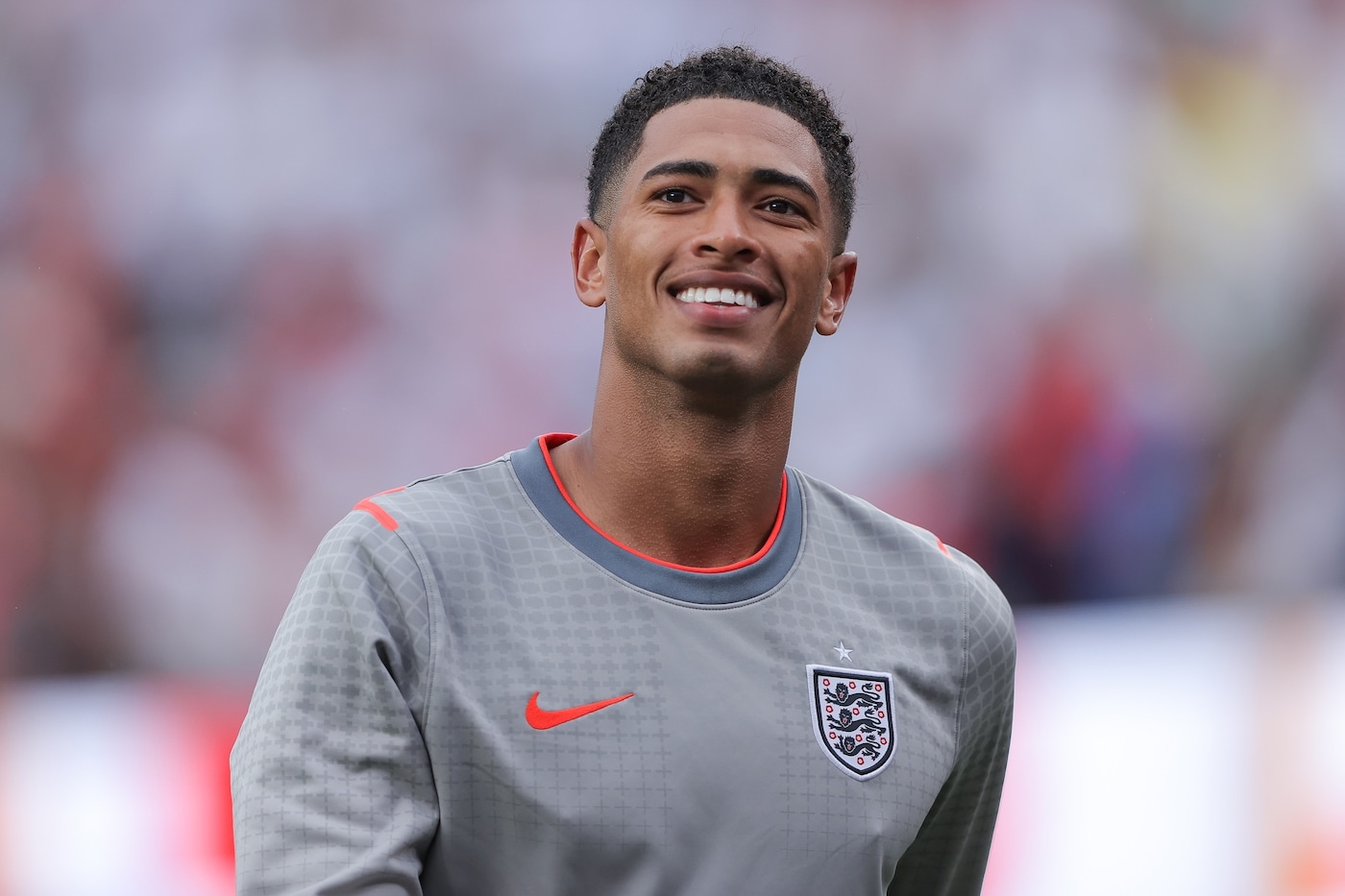
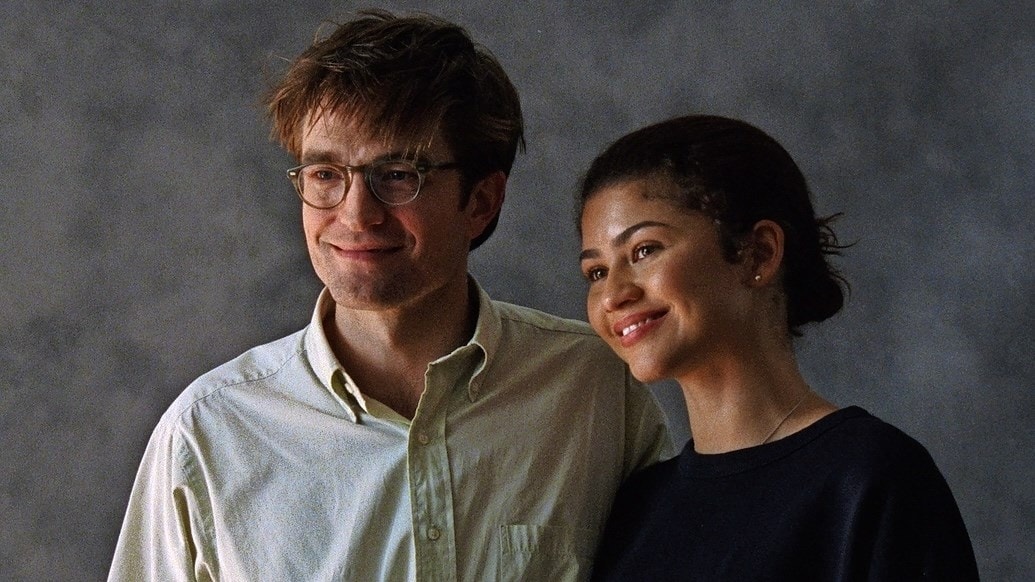
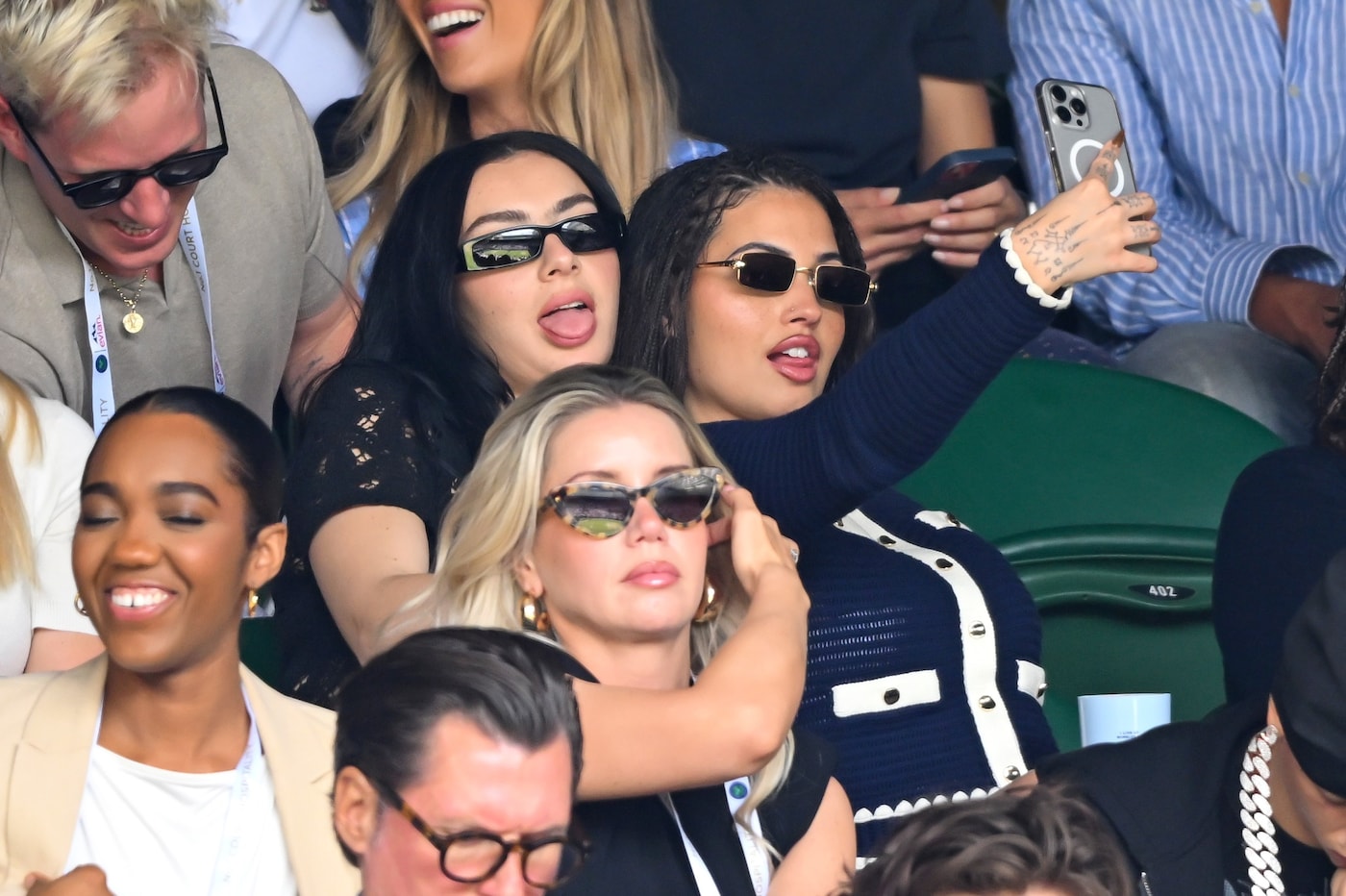
Aegyo admits from the start that it's a craft: there's a curriculum, there's practice, there's a rubric. The moment it got borrowed to praise "naturalness," the contradiction was already sitting in the etymology — most people reaching for the phrase probably never thought to check. What's most worth lingering on here might not be the meme itself but the larger backdrop Ellen Atlanta points to: as cosmetic work and retouching make celebrity faces steadily more uniform, steadily worse at carrying small emotion, audiences are, in effect, drilling themselves to catch any surviving trace of an uncorrected expression. That drill is itself a craft being honed.
A craft practiced well enough eventually gets studied, broken down, and copied by whoever's better at imitation next — the history of media training is more or less a loop of audiences learning to spot something and publicists learning to fake it. The negotiation between people and information systems shows up here in a particularly quiet form: nobody's forcing anyone to believe anything, the audience is just doing what it's always done — hunting for the gap, the slip, the moment that doesn't look designed. This record doesn't have an answer yet, only a question left open: once "looking natural" becomes a skill that can be taught, learned, and copied, what kind of "not trying" is left that this detection process hasn't already accounted for?