
What Changed?
The sponsor changed. Adult platforms moved from behind the scenes onto the ticket and the T-shirt: Pornhub funded a show outright, OnlyFans stood behind another, and the fashion week roster gained a new column.
On 2 October Dazed’s Megan Wallace recorded the SS27 season: Prada and Tom Ford swapped their soundtracks for the sound of climax, Pornhub funded R&M Leathers’ show, and Natasha Zinko, backed by OnlyFans, built her venue as a panopticon. This page records fashion borrowing methods from the industry that learned to monetise attention first.
This is one page of the Observer Report. I usually record who gets seen and who decides to be seen. This season, looking and being looked at turned into goods. Someone pays, someone stands in a window, someone tilts their head back to watch.
On 2 October Dazed asked around: why is fashion so obsessed with sex. I have collected the original words and ranked nothing. How attention turns into money, I will leave for 00.
Dazed published Megan Wallace’s long piece on 2 October, with a title that asks it outright: why is fashion so obsessed with sex. At SS27, Prada and Tom Ford swapped their soundtracks for a woman reaching climax. Glenn Martens’ farewell Diesel show seated performers in the audience, making out. Ferragamo remade 1940s tailoring in latex. In London, Pornhub funded R&M Leathers, and OnlyFans stood behind Natasha Zinko. Sex this season showed up in sound, seating and sponsor lists, beyond the clothes.
The control group is 19 September. The Industry recorded Zinko’s show, Pay Per View, at Collins Music Hall. Performers stood in windows set into boxes and balconies while the audience stood in the middle, looking up. The room followed a panopticon plan, and the title puts payment and looking on one line. Those in the middle tilted their heads back, and those in the windows looked down.
Why today: Wallace’s piece is the first to read the scattered moves in Paris, Milan and London together. Her argument rests on attention: every sector is made to live on social media, locked into a sub/dom relationship with the algorithm, and the porn industry was first to work out how to monetise attention at scale. Several unrelated brands invited that industry into the show space in one month. Whether this is a route, it is too early to say.
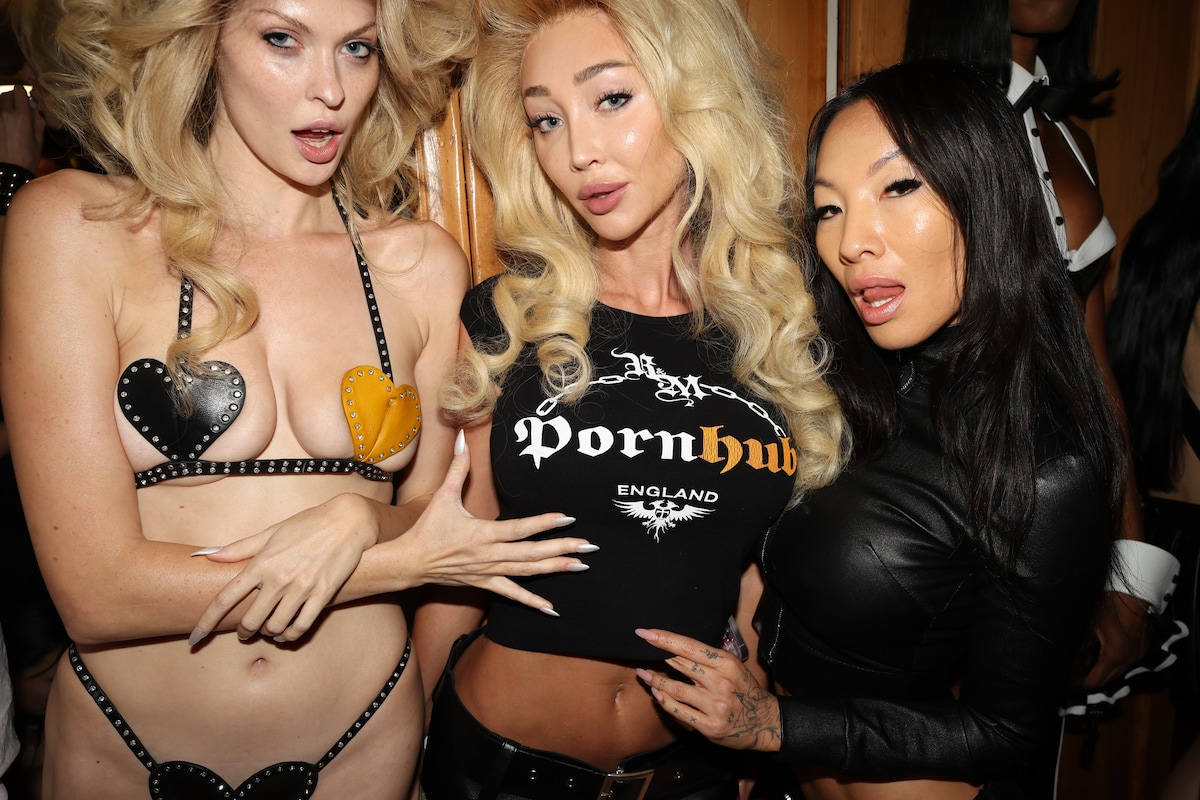
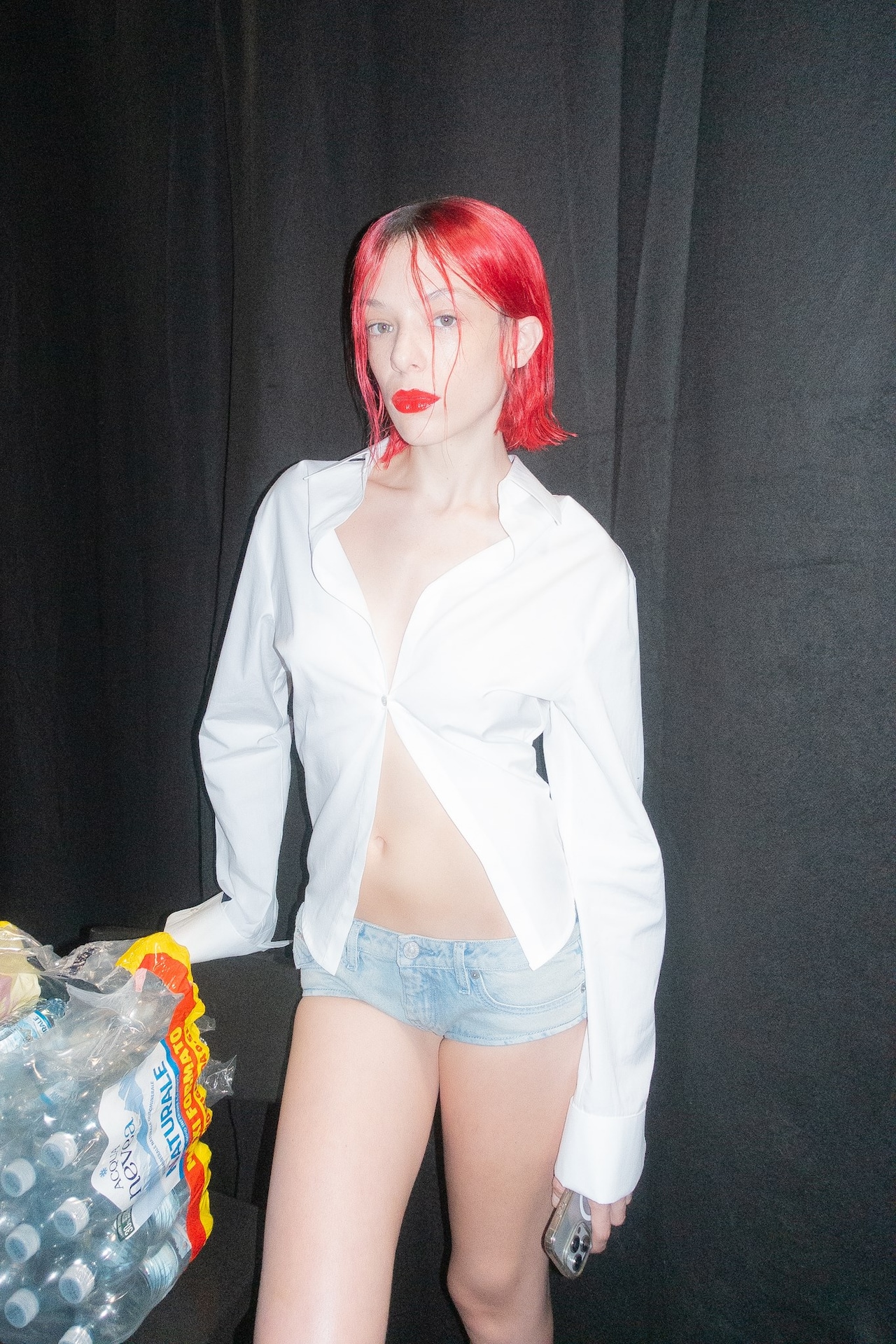
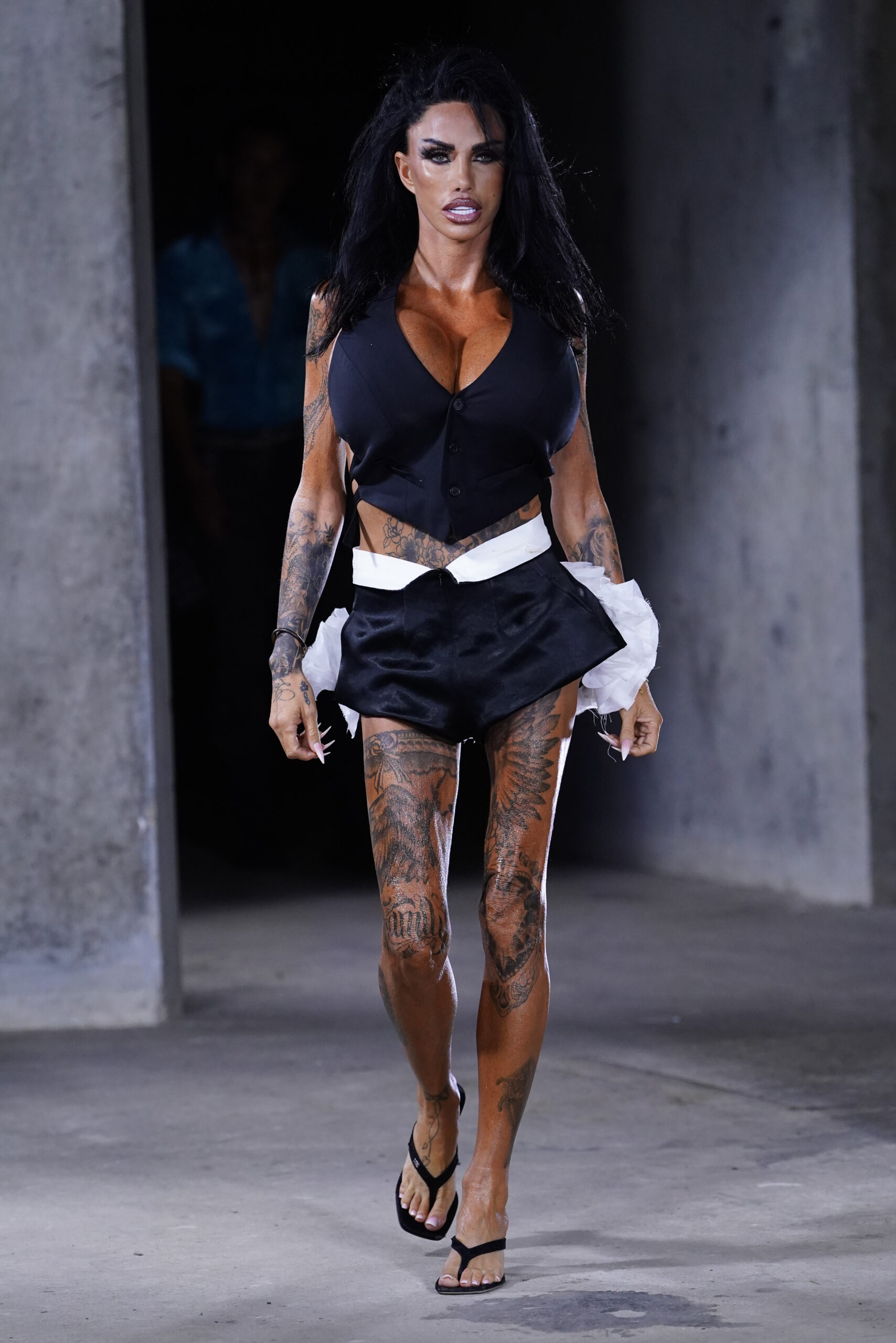
Porn websites were really the first ones that started figuring out how to monetise huge amounts of attention.
Sex workers are always experimenting with how we look, how we present ourselves, social media, beauty, technology.
Both hold tremendous influence, both hold cultural capital at equal or higher levels than a huge percentage of 'traditional' celebrities.
People behave differently when somebody watches them. So the audience is part of the game. They also watch our models.
In the little window that I'm in, I just have to be me. It's just like being on a photo shoot, just standing there and posing.
The collection is the essence of Diesel: disruptive, sexy, fluid, fun. We are all in this together. Let's take a ride one more time.
Freedom at the edge. Not to fall, but to feel that one could.
Seven voices: three from the author, adult performer and porn historian in Dazed’s long piece, two from the designer and a performer in a window at Zinko’s show, and two from Martens and Ackermann on their own collections. They stand in different places, yet who looks, who is looked at and who gets paid can be found in every one.
These quotes lean toward the creators and performers. Original words from Pornhub, OnlyFans and Prada were not obtained. No first-hand audience posts on Reddit or X could be quoted in full this time, so this section lacks the audience’s voice. All quotes are in the original English.
Brands talk about sex in the language of making: Martens calls it the essence of Diesel, Ackermann speaks of freedom at the edge. Original words from Pornhub, OnlyFans and Prada are not in this archive, and no account of the sponsorship terms has come in.
Performers and the historian read the season as two industries meeting: sex workers have long led on looks and technology, fashion has caught up, and their cultural capital runs level. In their eyes fashion is the latecomer.
The sponsor’s seat may be moving: Pornhub funds a show, OnlyFans stands behind Zinko. Adult platforms seem to be entering as brands, no longer staying behind the scenes. This is speculation and needs next season to test.
The sharpest line sits in Wallace’s piece: every sector must be on social media, locked into a sub/dom relationship with the algorithm. Read this way, sex looks like the content the algorithm asks for, and fashion hands it over. So the piece’s logic runs.
The sponsor changed. Adult platforms moved from behind the scenes onto the ticket and the T-shirt: Pornhub funded a show outright, OnlyFans stood behind another, and the fashion week roster gained a new column.
The sound was direct this season. Prada and Tom Ford swapped soundtracks for climax, and Diesel’s seats held people making out. Nobody could pretend not to hear, which is harder to dodge than a garment’s message.
Sex was assumed to be fashion’s subject. Now it looks more like a channel. Wallace says little else captures attention and fills column inches as well, so every sector wants to borrow it.
Brands want to be seen, and performers want to be treated as makers. Elly Clutch appears in Dazed as a model and a long-time participant in this experiment, and the place she speaks from has moved.
The audience’s position is moving. Zinko had people stand in the middle looking up, Martens seated performers beside them. Those who look became part of the scene, and sitting down came with a role.
If next season’s funders are all platforms, what will a show space look like? Will watching a show feel like choosing a channel, deciding which one to subscribe to, then how long to stay?
These six themes are the frame INCODER checks every cultural signal against, closer to a pair of glasses. Put them on and the same event grows a different meaning.
Attention is sold as a scarce resource. Adult platforms worked out how to cash it first, and fashion now borrows the method. Which industry will learn it next?
The windows of Pay Per View frame a person into a picture. Katie Price says standing there feels like a shoot, just posing. How much of the person in the window is still the person?
Latex, leather, a logo on a T-shirt all speak. When the logo belongs to the funder, whose words does the garment say: the designer’s, or the sponsor’s?
The adult industry survived for years on its own platforms and rules. Does that method survive being absorbed by fashion? Once the edge has a sponsor and a page count, is it still an edge?
People who usually run channels on separate platforms met in one room, sizing each other up across the seats and being sized up. Could that grow into a new circle?
Zinko’s audience knew it was watched, which is the effect she wanted. In a panopticon plan, looking and being looked at are one act. When everyone is looking, who still counts as audience?
The question assumes fashion lacks attention and borrows from the industry best at earning it. Wallace writes this, and Nilsson says it. Yet each brand has its own reasons: Zinko speaks of watched behaviour, Martens of a farewell, Ackermann of freedom. How the funder’s name connects to those accounts, nobody has explained, and only Wallace’s pen ties them together.
A quieter consequence sits further down: once a platform funds the show, the people watching are also the platform’s audience. Zinko’s windows and Pornhub’s T-shirts both turn a show into a channel whose dwell time can be counted, and the longer the stay, the higher the value. This record has no answer, only a question: when the lights go down, who is still watching, and who is already being watched?
This report records the state of observation at this moment.
What has been gathered is press coverage and the parties’ own words. Original statements from brands and platforms are not yet counted. The judgment may be reinforced or overturned.
Observation continues.