
What Changed?
The order of asking changed. Readers ask the chatbot first and then decide whether to enter the shop. The bookseller moves from first person asked to second.
On 29 September Dazed published “Is AI replacing booksellers?”. Nearly 60% of UK adults use AI, and more readers hand “what to read next” to a chatbot. This page records taste moving from the counter to the chat box.
This is one page of the observer report. What I keep logging is how machines walk into human judgment. This time it is the bookshop. Someone pushes the door open, asks the phone first and the bookseller second. The change in that order arrived quietly.
On 29 September Dazed put several independent booksellers side by side. They talk mostly about emotion and taste, and rarely about technology. I have filed their words as spoken and won’t rule on who is right.
Dazed published Natalie Beecroft’s feature “Is AI replacing booksellers?” on 29 September. She visits independent shops and records readers turning to ChatGPT for reading lists. The piece cites nearly 60% of UK adults using AI. The booksellers’ replies converge on one point: recommending a book runs on emotion, and the machine has no share in that.
The thread was already on file in July. Writer Andrea Bartz interviewed US booksellers on Substack on 29 July. One says he will not stock authors who use generative AI, another says buying has become less precise. Two records two months apart, one in the UK and one in the US, and the booksellers sound much alike.
The convergence: three items line up in one week. The Chicago Sun-Times once ran a summer reading list with books that do not exist. Algorithms favour titles already popular, and translated fiction and authors of colour rank lower. Local libraries in South Korea already offer AI-generated reading lists. Taste is moving from counter to chat box, and this week someone wrote it down.
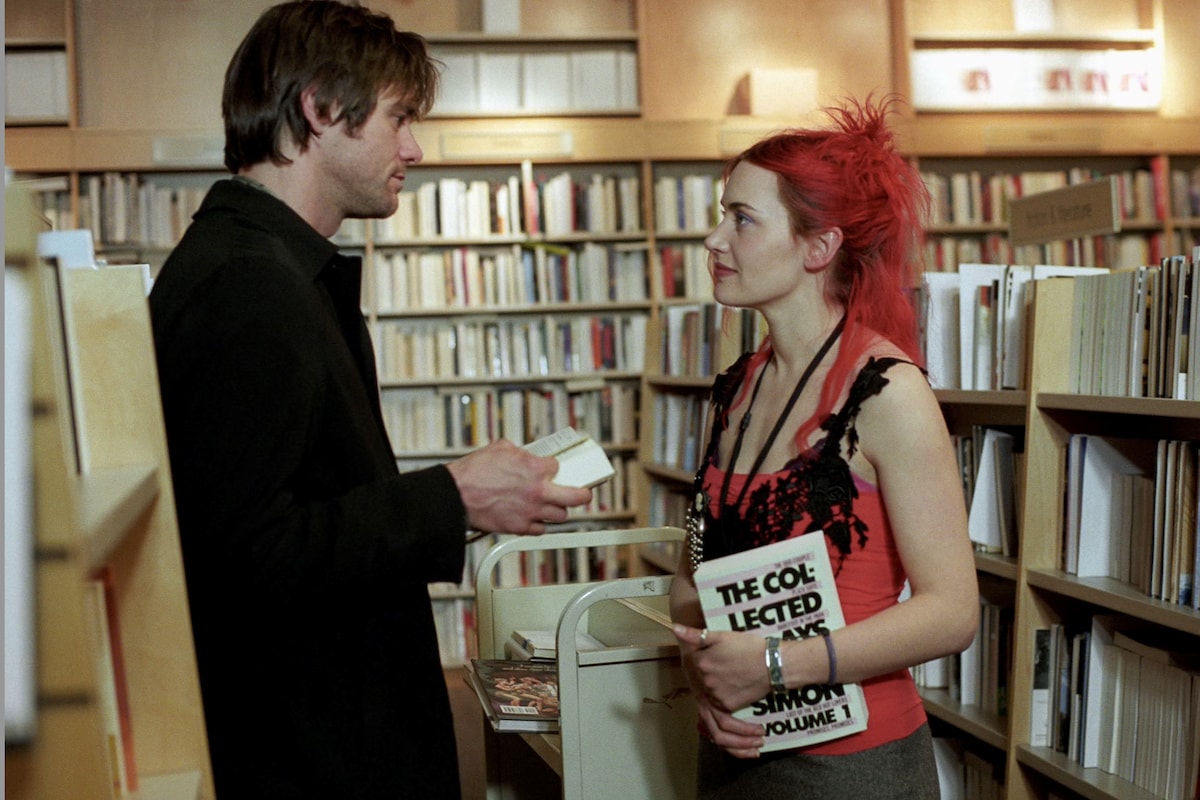
I asked her if she'd used AI. There was something about those recommendations. They were in the same genre, but just didn't have the emotional soul of the first book. They couldn't have come from a bookseller.
Recommending a book is, at its core, recommending an emotion to people. AI can't feel emotions. Booksellers can.
AI destroys individual taste.
It's removed a certain barrier to reading.
rips away human creativity, makes us dumber and destroys individualism.
We sell stories. Not content.
People are just going to accept an inferior product.
People come to us for the exact opposite of what they get from AI.
ChatGPT is free and a great way to mix up your book recommendations.
Of the nine entries, eight come from the shop side and one from a fan of the tool. The shop-side vocabulary is consistent: emotion, story, taste, soul. The fan’s is consistent too: free, a change of flavour. The two describe two faces of one thing, one speaking of meaning and one of convenience.
The set leans. Dazed and Bartz both went to booksellers, who already stand behind the counter. How readers themselves use the tools and what they think is represented by a single user this time. No first-hand Reddit or X posts were retrieved, so the comment-section voice stays blank, and the map below leans toward the shop side.
Institutions treat AI lists as a new service, and libraries are already rolling them out. The tone is convenience, and almost nobody on this side speaks about taste.
Booksellers speak in one voice: AI recommendation substitutes for taste and flattens the reader’s own palate. On the user side only one voice was retrieved, calling it free and useful.
Recommendation splits into two layers: finding a book, and being understood. AI does the first quickly. The second may become what a bookshop sells. So far this is conjecture.
Madeleine concedes AI removed a barrier to reading. A reader afraid of being seen as under-read may finally dare to ask. If the barrier was partly the shop’s own doing, who should look inward?
The order of asking changed. Readers ask the chatbot first and then decide whether to enter the shop. The bookseller moves from first person asked to second.
A reading list touches your own taste, so a machine taking it over stings. Booksellers react hardest because their craft is exactly this.
People assumed a good recommendation needs someone who knows you. A machine now returns a decent list in three seconds. Does that assumption still hold?
Readers seem to want a question that carries no judgment. Ask the machine and nobody sees what you haven’t read, or asks you to explain your taste.
Finding a book now has two routes: the counter and the chat box. Both may return the same genre, yet the reading feels different, and booksellers can name the difference.
If taste outsourcing becomes habit, will stumbling on a book you never planned to read happen less often?
These six themes are the fixed framework INCODER checks each day’s cultural signals against, closer to a pair of glasses than a rulebook. Put them on, and the same event grows a different meaning.
AI recommendation favours books already popular, so popular grows more popular. With the signal amplified again and again, how does a quiet book get heard?
A reading list is a kind of self-introduction. Once a machine sorts the list, is the introduction still self-written?
A bookseller’s one-line recommendation has someone answering for it; a machine’s list carries no signature. How far will readers trust an unsigned recommendation?
Independent shops run on a hard-to-explain judgment between people. Could the unexplainable turn out to be the hardest part to copy?
A list travels from bookseller to reader to friend. With a machine at the start, does that chain get shorter or longer?
Books of one genre can read with different emotion. If even shop owners spot the difference by instinct, can a machine learn it?
Start with the assumption. This whole debate presumes taste grows from within. Yet the recommendation between bookseller and reader has always been mutual adjustment: the bookseller reads you, and you get nudged into books you would not have picked. A machine offers another kind of adjustment, faster, with no need to speak face to face.
The assumption has a quiet consequence: if part of taste comes from being nudged, and the nudge now comes from a machine, where does taste drift? This record has no answer, only an image: the next person to walk into a bookshop, phone still in hand.
This report records the state of observation at this moment.
Only media coverage and one user’s voice have been retrieved; first-hand posts on Reddit and X are not yet counted. The judgments here may be reinforced or overturned.
Observation continues.