
What Changed?
The front row's viewpoint entered the coverage. What used to be logged was the clothes and who sat where; this time someone logged the camera in a spectator's hand and the face he made holding it.
On 26 September, Kendall Jenner closed Bottega Veneta and Jacob Elordi lifted a small camera in the front row. The clip passed 1.5 million views on TikTok, then an expert weighed in on whether his body language was sincere or staged. This page records how one spectator got filmed, read and authenticated.
This is one page of the observer report. What I keep logging is how the audience turns into the one being watched. This time it is a man in the front row, a small camera in hand, pointed at Kendall Jenner on the runway. The gesture is tiny, and 1.5 million views made it large.
On 26 September in Milan, Bottega Veneta's runway carried a full season of new clothes. Dazed wrote about it, and so did Vanity Teen. The image replayed online sat in the front row. I've recorded both and won't say which matters more.
Dazed writer Elliot Hoste filed the report on Louise Trotter's third Bottega Veneta collection on 27 September. The show was in Milan, and Kendall Jenner closed it in a black toga-style dress. The front row included Tyler, the Creator, Julianne Moore, Solange and Jacob Elordi. Dazed singled out Elordi smiling as he captured her with a digital camera.
The small camera has a timeline of its own. On 28 September Galore's Perry Johnson wrote a joke that it felt like romance from 2004. The same day CheatSheet reported the front-row clip past 1.5 million TikTok views. Trotter's own note talks about the change between seasons, yet the front-row image was reposted first.
Between 26 and 28 September the same show split into three threads. Vanity Teen and Who What Wear talked clothes. Galore talked about the front row. CheatSheet and Yahoo Style brought in body-language expert Inbaal Honigman to sort Elordi's gestures into habit and intent. The convergence sits here: one spectator's reaction was sent for authentication.
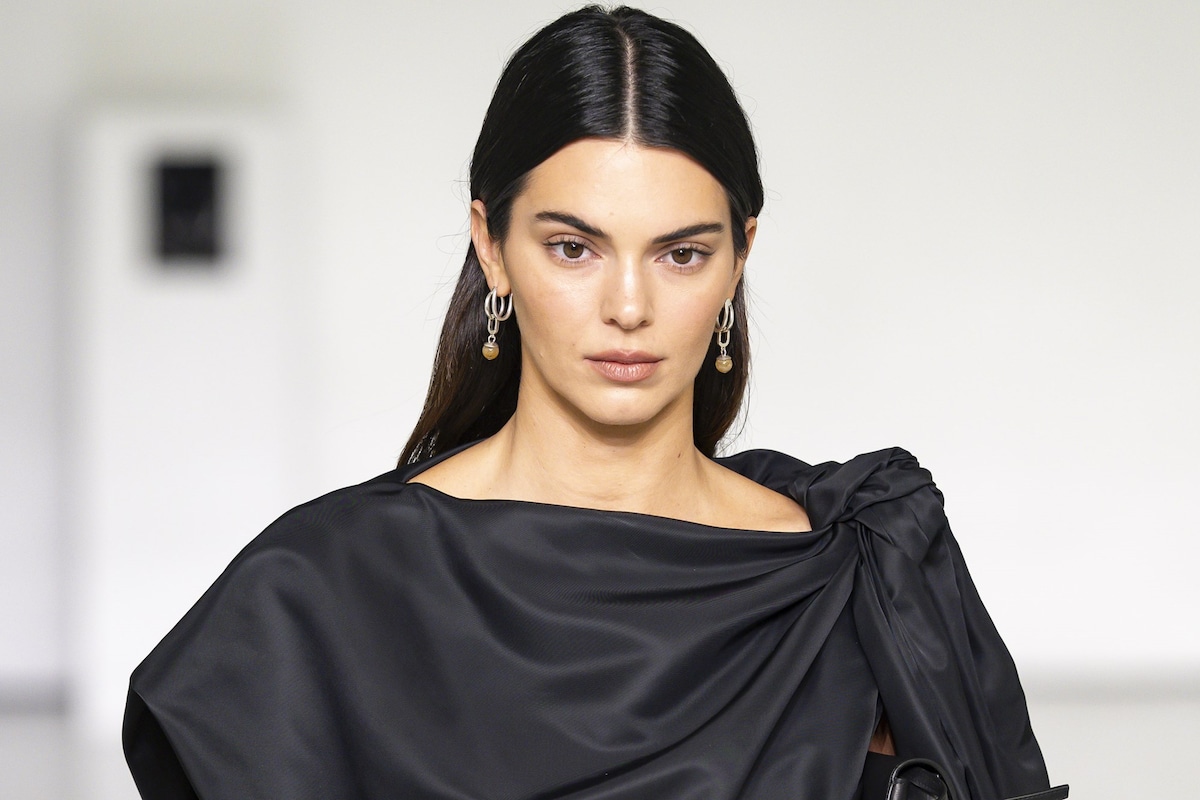
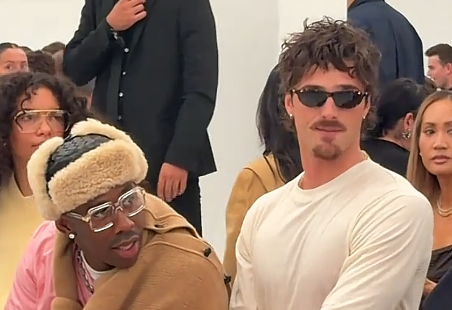
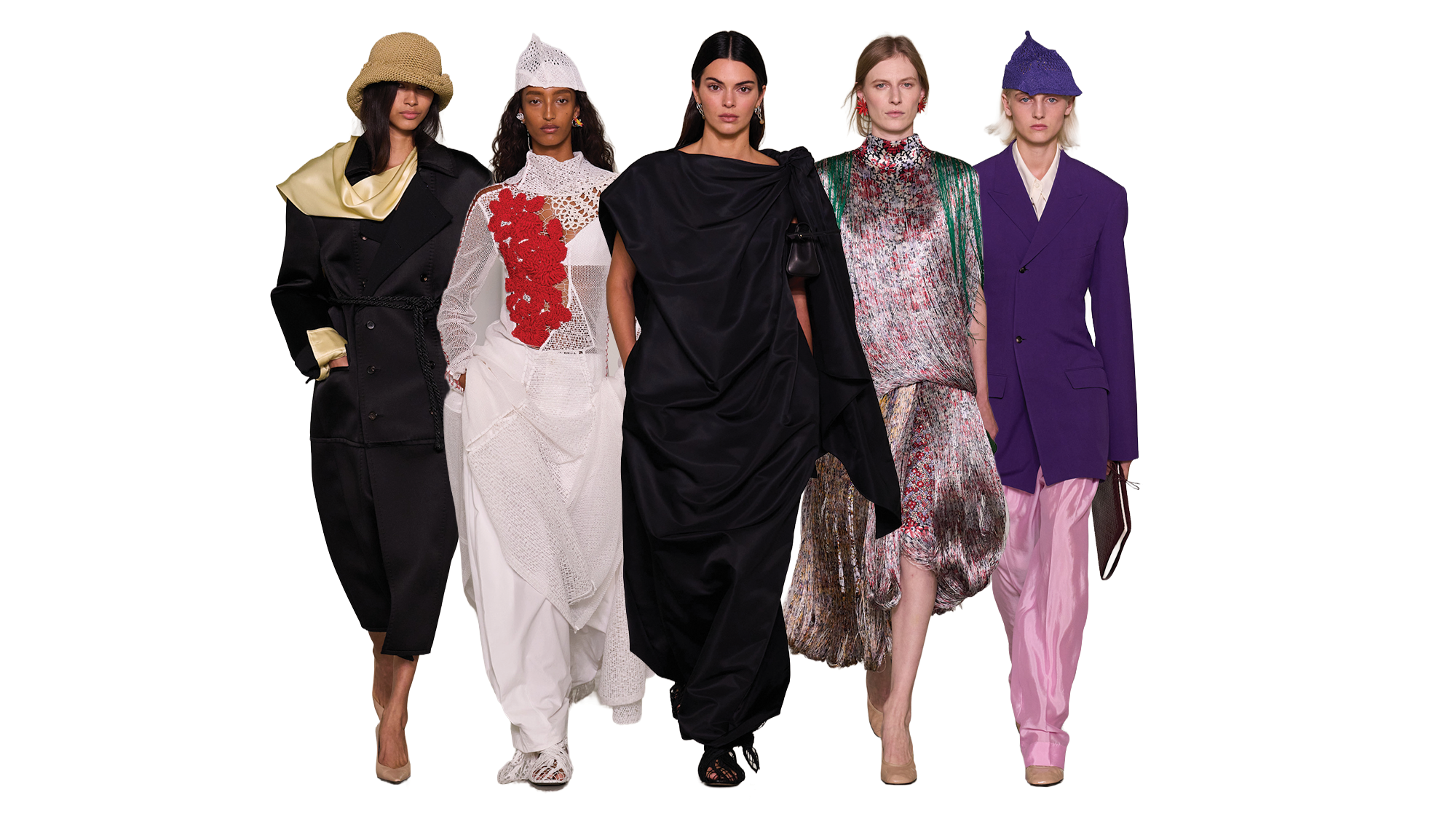
Each of the five entries is a direct quotation from a publication or an expert, one sentence or one clause of the original, in English as written. No first-hand posts from Reddit or X were retrieved this time, so the comment-section voice is absent. That gap is recorded up front.
the city sheds its cloak without becoming bare
Apparently, we're doing romance like it's 2004.
His more demonstrative, big movements are intentional.
Tugging at his clothes, tapping his feet — those are habitual
matter is woven, but so are disciplines, gestures and people.
The five voices differ sharply in register. Trotter speaks of a change of season, the city shedding its cloak without going bare. Johnson uses one joke to send the small camera back two decades. Honigman, the expert, splits one clip into habit and intent. The house note writes weaving as a link between people and gestures.
None of the five comes from an ordinary viewer. Comments, reposts and remixes of the clip were not retrieved in full this time. This record can only note how the media talk about the image; how viewers talk about it is left blank. The narrative map below therefore leans toward the media view.
Trotter speaks of the shift between seasons, the city shedding its cloak without going bare. The house note writes weaving as a link between material, gesture and people. Both texts stay with the clothes.
The TikTok clip passed 1.5 million views, and commenters were guessing whether his gestures were sincere or staged for the lens. Those comments were not retrieved directly; they reach this page only through CheatSheet.
Galore reads the small camera as 2004-style romance. The runway has its official lens and the front row now has a private one, two framings side by side. It is one column's claim and needs more examples.
Honigman files Elordi's nerves under habit and his big gestures under intent. One clip is split into two kinds of sincerity, and even intent becomes something an expert can authenticate. Is the expert's verdict another performance?
The front row's viewpoint entered the coverage. What used to be logged was the clothes and who sat where; this time someone logged the camera in a spectator's hand and the face he made holding it.
The clip is short, the person is famous, and the gesture replays well. A nervous man breaking into a smile is easier to watch to the end than any single outfit. It also invites screenshots, edits and captions.
The runway's lens used to belong to the house and its photographers. Once a private camera joins from the front row, framing no longer seems to have a single source, and viewers outside the venue can see another angle.
People seem to want one thing confirmed: is the affection real. The expert reading was widely reposted, which suggests the question has demand and someone willing to answer it. Sincerity becomes something that can be checked.
Viewers now inspect a person like appraisers, frame by frame: the feet, the hem, the smile, sorting habit from what is meant to be seen. The comment section becomes a second appraisal room.
If every front row has someone authenticating sincerity, those taking seats will learn to manage their feet and hems. When even nerves can be rehearsed, where is the line between habit and intent drawn?
These six themes are the fixed framework INCODER checks each day's cultural signals against, closer to a pair of glasses than a rulebook. Put them on, and the same event grows a different meaning.
A short clip passing 1.5 million views is easier to remember than any discussion of the clothes. When weight is set by replay count, where do the clothes rank?
Elordi is at once actor, spectator, photographer and subject of analysis. When one person plays four roles in a single moment, which one counts as him?
The small camera reads as retro and as intimate at once. Who decides what the object means, the one holding it or the one writing the column?
Inside a choreographed show, one private gesture in the front row became the liveliest image. How long can an off-script gesture stay natural?
One gesture was amplified by video, joked about in a column, then authenticated by an expert. After three retellings, how much of the original is left?
The audience's gaze fell on the model and on the person seated before her at the same time. When two focal points compete for one pair of eyes, is the show still whole?
Start with the assumption. This whole discussion presumes that a public gesture can be sorted into habit and intent, and that someone is qualified to do the sorting. The one appraised is a person who happened to be filmed; the instrument is a clip on replay.
The assumption has a quiet consequence: the front row is now part of the stage. The person with the camera watches and is watched, and the watched are then watched by an expert. This record has no answer, only a question: how will the next person to sit there place their hands?
This report records the state of observation at this moment.
So far only media and expert accounts are included. The clip's comments and first-hand reactions on Reddit and X are not yet counted, and no second occasion has shown the same behaviour. Judgments here may be reinforced or overturned.
Observation continues.