
What Changed?
The clinic's reference photo went from magazine clipping, to Snapchat filter, to an AI-generated face with no origin and no real person behind it.
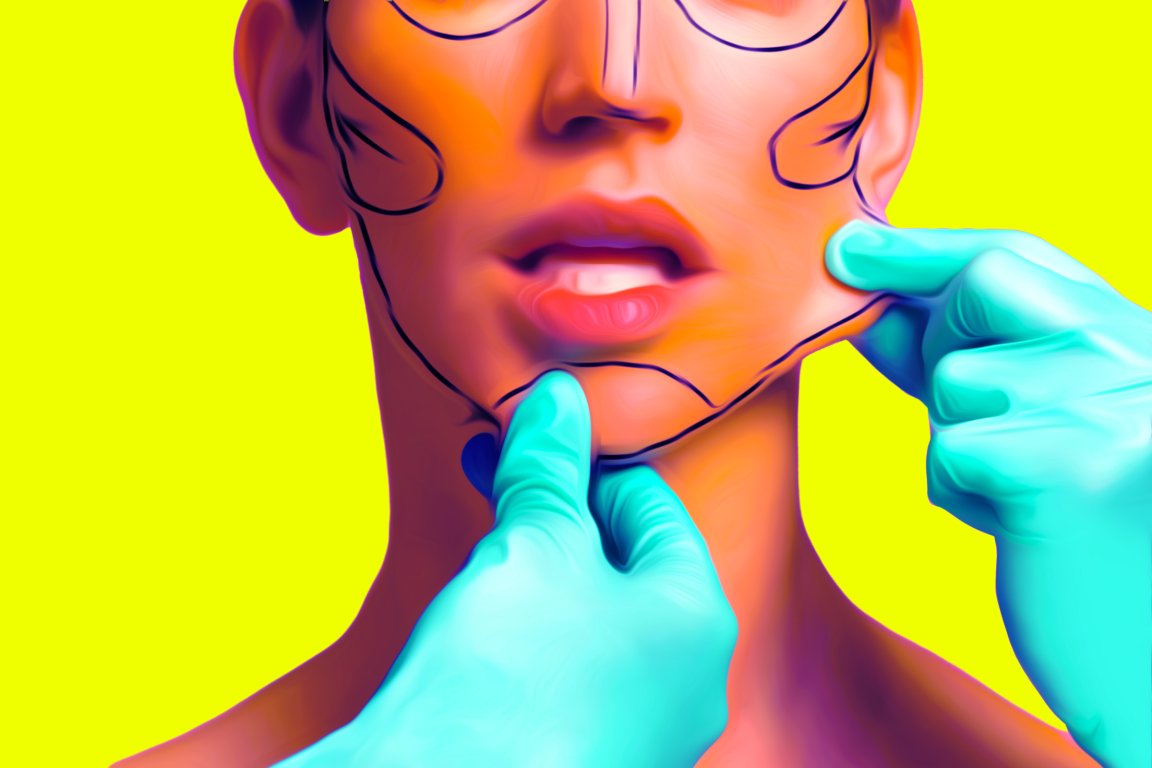
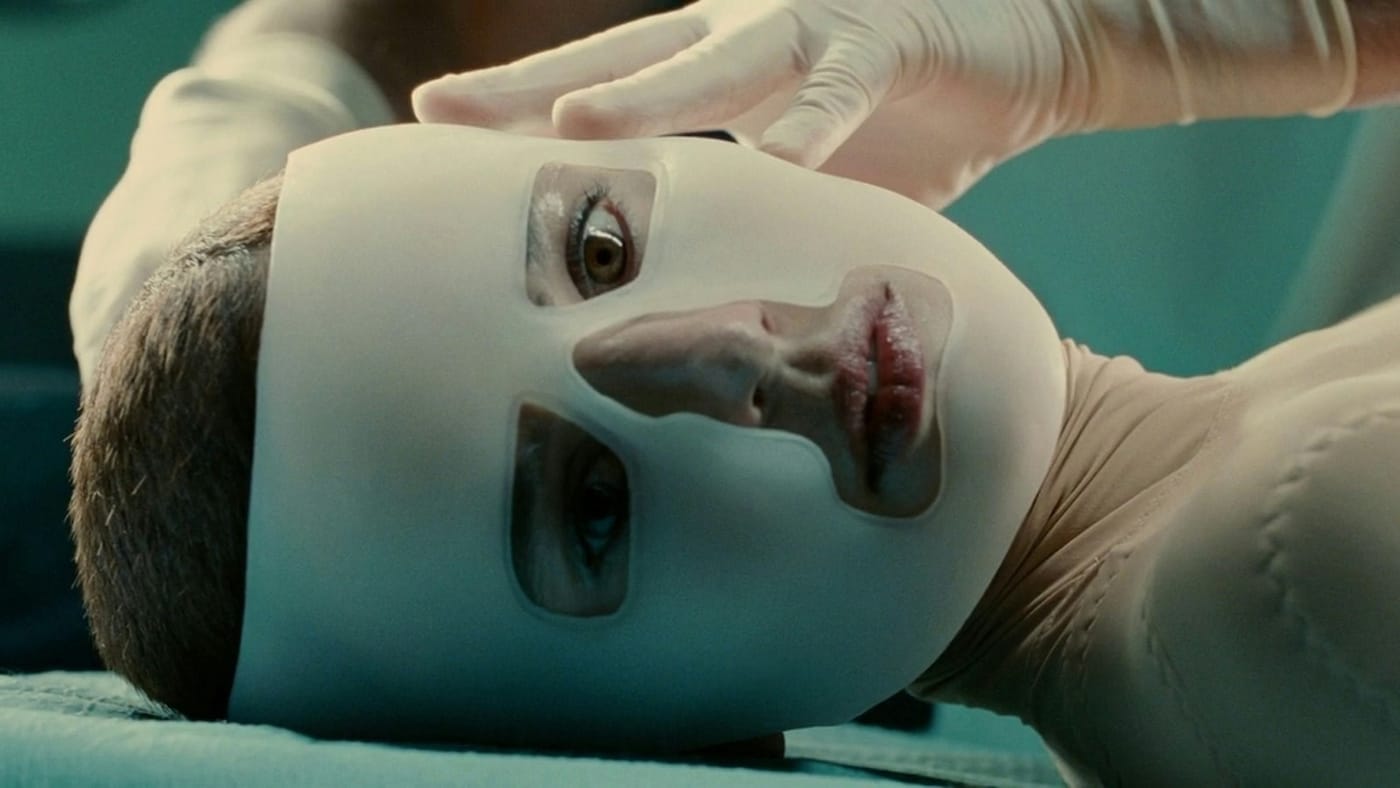
On 25 September, Dazed reported that patients are bringing ChatGPT- or FaceTouchUp-generated faces into cosmetic-surgery consultations — faces so symmetrical they violate anatomy, since AI has no idea eye spacing is set in bone. Five months earlier, Business Insider had already documented the same pattern. This page records what happens when the algorithm supplies the answer first, and the body is asked to meet a demand it cannot fulfil.
This is one page of the observer report. For a while now I've been tracking something: the reference photo a cosmetic clinic receives has gone from a magazine clipping, to a filtered screenshot, to now a face the AI made up. What's different this time is that a surgeon finally agreed to say, on the record, exactly where that face goes wrong — eye spacing is set in bone, and AI has never accounted for that.
On 25 September, Dazed found one patient and two practitioners willing to lay the whole process out. Five months earlier, Business Insider had already logged an even sharper case: a 70-year-old patient, holding an AI-generated image of her younger self, insisting her surgeon recreate it. Read the two reports together, and the algorithm decided on the face first; the body was asked to catch up after.
On 25 September, Dazed writer Laura Pitcher interviewed patient Layla, surgeon Melissa Doft, and founder Kevin Lamont Bachar. All three pointed to the same thing: patients now generate the face they want with ChatGPT or FaceTouchUp first, then carry it into the consultation room.
This isn't the first time it's been logged. Back in May, Business Insider reported an earlier case: 60-year-old Daina Jenkins used ChatGPT to preview a facelift, and the image came back with skin that had no pores at all. Surgeon Sachin Shridharani had a 70-year-old patient insist on being made to look like her AI-generated 40-year-old self.
An early BAAPS survey this year found 15% of UK surgeons had met patients bringing AI-generated faces as reference. Dazed's report turns that number into faces and names: one patient admitting "it wasn't reality," one surgeon saying flatly "bodies aren't clay." That's where the story converges — the algorithm has already worked out its answer, and the body is the one being asked to catch up.


All seven quotes below are verbatim, unedited. Three are from Dazed's 25 September report; four are from Business Insider's report this past May. The same pattern, described by two different groups at two different moments.
There's a comfort in having something to bounce all the racing thoughts you have about plastic surgery.
There's a lot more to beauty than just millimetres and proportions, and there's a judgement in surgery that AI doesn't have.
When we feed [AI] with the science for our clinical studies, it's all been very Eurocentric.
It wasn't reality. I love that I look natural.
It's like saying I want to look like Ariel from 'The Little Mermaid.'
I explained that we can't recreate what she looked like when she was younger, but she remained insistent.
Pixels are easier than surgery. Bodies aren't clay.
The speakers split into two registers. Patients tend toward self-persuasion, insisting they chose "natural" in the end, almost pre-emptively explaining why they didn't become the AI face. Surgeons are blunter, laying out the limits of anatomy with little room left for negotiation.
The five-month gap hasn't changed the core of this conversation. In May, surgeons were explaining that bone doesn't move. In September, they're explaining where the training data goes wrong. The problem has drifted from "this body can't do that" toward "this algorithm was never built to be fair."
Doft says AI can calculate proportion but not judgment. "Make me prettier" is hard to answer, she says, because pretty means something different to everyone — a call AI can't make.
Jenkins looked at her AI-generated younger face and said: "It wasn't reality. I love that I look natural." A 60-year-old patient set the algorithm's answer down herself.
Beth Israel's survey found AI-photo users carry higher surgical expectations; BAAPS put a number on it: 15% of surgeons have met patients using an AI face as reference.
Bachar admits it himself: "The clinical data fed into AI has all been very Eurocentric." The person recommending the tool is the one naming its bias first.
The clinic's reference photo went from magazine clipping, to Snapchat filter, to an AI-generated face with no origin and no real person behind it.
"Bodies aren't clay" gets quoted everywhere because it folds an abstract tech debate into one physical fact everyone already understands.
Surgery used to assume patients wanted to resemble another real person. Now the reference violates anatomy outright — that assumption is already loosening.
Jenkins chose natural in the end. What she wanted, maybe, was just to see an answer first, then decide for herself whether to believe it.
Patients now let an algorithm imagine their future face first, then hand that image to a real surgeon and ask them to make it true.
If the next generation grows up living beside an AI version of themselves, will that computed face start to feel like the original, the way they always looked?
These six themes are the standing frameworks INCODER checks every cultural signal against, more like a set of glasses. Put a different pair on, and the same event grows a different meaning.
An AI-generated face needs no origin to count as reference material. Once the image alone is convincing enough, who still asks where that face came from?
A patient brings a face that doesn't exist into the room and asks her body to become that nonexistent version. Does that face still count as part of her self?
Pores, proportion, symmetry used to be the clues for judging beauty. Now an algorithm generates those clues directly — how much of skin's own language is left?
Producing an impossible face first, then letting a real person chase it, is an efficient way to survive. Run that efficiency long enough — can the body keep up?
The same phenomenon, logged by Business Insider in May and logged again by Dazed in September. Once different outlets keep confirming the same thing, does it just become fact?
A surgeon's energy shifts from "how is this operation done" to "why is this face impossible." Once explaining becomes the main job, how much is left for the surgery?
Start with the assumption itself. This whole conversation presumes the AI-generated face is a standard worth pursuing, and that a surgeon's job is to explain where it can't be met. That logic puts the algorithm in the position of proposing the ideal, and the body in the position of being examined, asked to account for its own shortfall.
If the data training that algorithm is itself biased, then what a patient is chasing was maybe never a universal beauty at all — just a look a particular dataset happened to produce. This record has no answer yet, only a question left standing: will the next person who walks into a consultation even realize that what they're chasing was computed by someone else to begin with?
This report records the state of observation at this moment.
No regulator or platform has yet issued a formal response to AI reference faces; the discussion of training-data bias remains at the level of trade-press interviews, not policy; community reaction to this signal is still accumulating. What is judged here may be reinforced, or overturned.
Observation continues.