
What Changed?
The creative director spoke publicly for the first time, and in doing so admitted he didn't know the sponsorship terms — turning an aesthetic complaint into a disclosure problem.
On 24 September, culture writer Louis Pisano published a phone interview on Substack with Vogue World: Milano creative director Juan Costa Paz. He said the robots weren't AI, that he only learned the sponsorship details after the fact, and called the whole backlash "the best numbers we had so far." Two days earlier, nss magazine had already reported that the show's own title card credited Meta and OpenAI. This page records how one explanation ended up revealing more than it tried to cover.
This is one page of the observer report. Two days ago I noted that the robots weren't dressed and figured the story was closed. Then the creative director opened his mouth, and pushed the whole thing a layer deeper. He said the robots weren't AI, that he learned about the sponsorship after the fact, and that the backlash was, in his words, the best numbers they'd had.
One report says the sponsors' names were on the title card all along. The director says he only heard about it later. Put side by side, the two accounts are worth more than the robots ever were. What I want on record is who's explaining, and who's actually dodging the explanation.
On 24 September, culture writer Louis Pisano published a phone interview on Substack DISCOURSTED with Vogue World creative director Juan Costa Paz. He said the robots ran with no AI behind them at all, purely an editorial decision. Asked whether the backlash was a net positive, he answered: "These were the best numbers we had so far."
Two days earlier, on 23 September, nss magazine had already reported that the show's own title card credited Meta and OpenAI as sponsors, the first time a tech giant had been named on a Vogue World card. In the interview, Costa Paz said he only learned the terms of those partnerships on the day of the show, and wasn't part of negotiating them.
Put the two accounts together and a gap opens up. The title card names the sponsors. The director says he didn't know. On 25 September, a separate essay set the segment against McQueen's robotic arms from 1999, calling one art and the other just a message. The story has converged here: the robots turned out to be the easy target, and who owes an explanation is turning out to be the harder one.

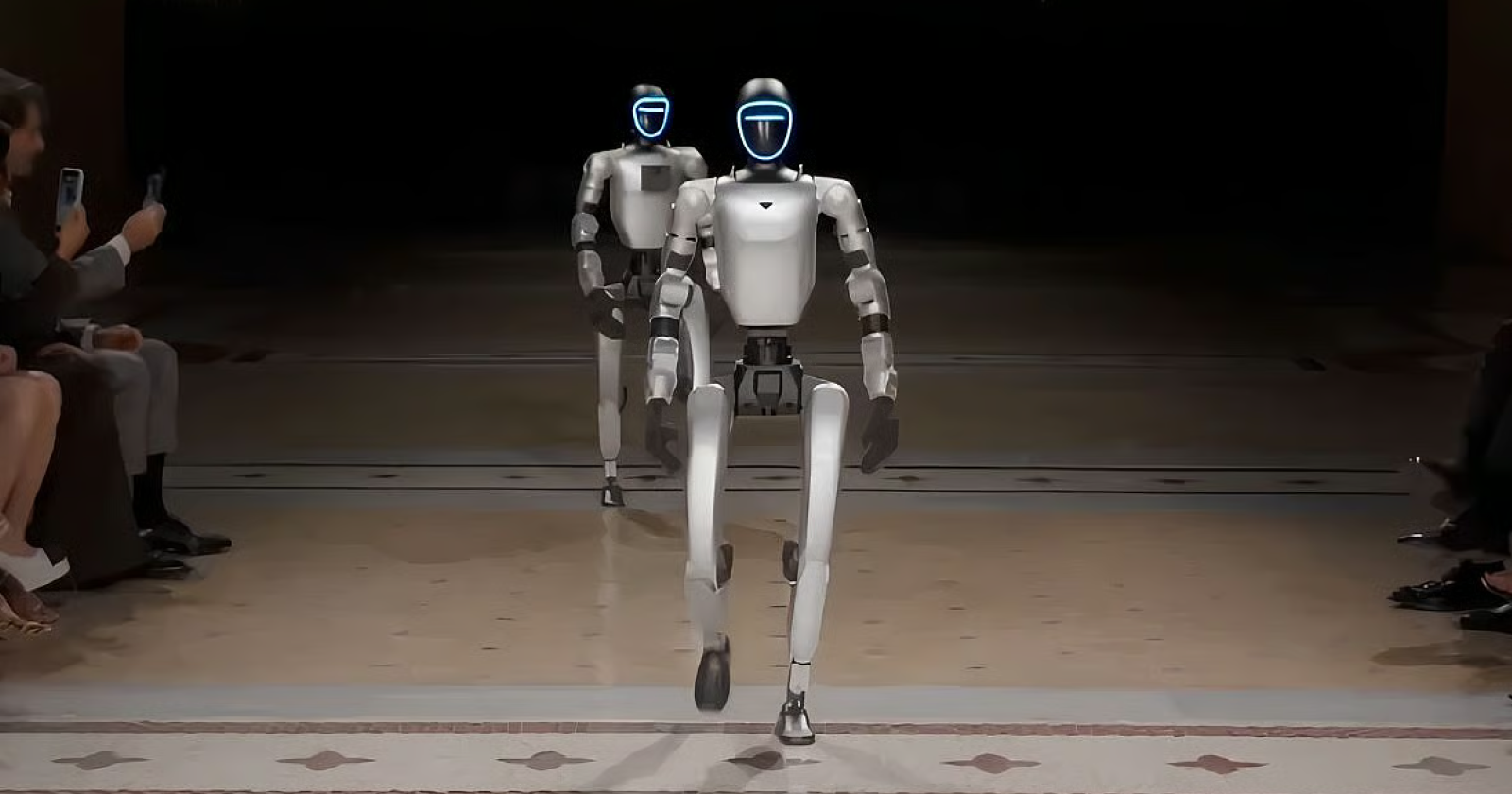
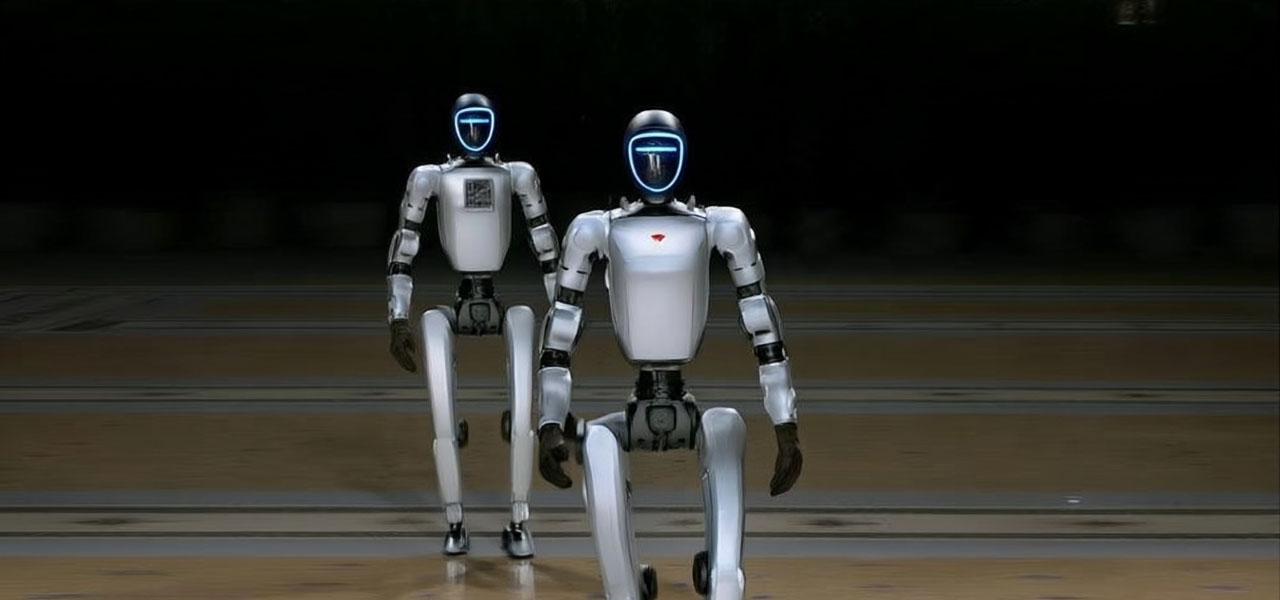

All seven quotes below are verbatim, unedited. Four are from X. Two are from the same Reddit thread on r/Fauxmoi, both posted by u/cmaia1503. One is Juan Costa Paz's own answer, on the record, from Louis Pisano's phone interview.
miuccia prada when the fuckass robot walked out during vogue world
What are the robots doing there, they aren't even wearing any clothes.
Folk clapping for these sh*tty robots rather than the human models, the handmade clothes... gimme a break 🙄
We are all Alessandro Michele, sitting front row at Vogue World Milan, having an existential crisis about the absolute state of things while robots awkwardly dance about.
just got off the phone with the creative director of Vogue World. First question he asked me. 'So you hated the robots?'
these were the best numbers we had so far
It's more difficult to react to the love than the hate.
The speakers split roughly two ways. One writes long lines on X, laced with jokes only industry people get, aimed straight at the front row's frozen faces. The other drops one short line on Reddit, saying plainly they've seen enough robots, with no interest in explaining further.
The director's own answers land in a different register from either. He never disputes that the robots were awkward. Instead he folds the backlash straight into the scoreboard. That line got clipped out on its own afterward, and the captions riding along with it were usually shorter and sharper than the interview itself.
Costa Paz says the robots ran on no AI at all, purely an editorial choice, and that he "learned about" the Meta and OpenAI terms only after the fact. Official language frames this as a conversation about technology.
u/cmaia1503 wrote: "What are the robots doing there, they aren't even wearing any clothes." The community skips the explanation entirely and just leaves the question hanging.
Attention is shifting toward who's supposed to disclose what. The title card names the sponsors; the director says he didn't know. That gap is now the thing being pressed on.
nss magazine argues the real problem was never the awkward robots — it's a tech giant sponsoring Vogue World for the first time with barely any scrutiny. The author calls it stylised propaganda, a missed conversation.
The creative director spoke publicly for the first time, and in doing so admitted he didn't know the sponsorship terms — turning an aesthetic complaint into a disclosure problem.
"These were the best numbers we had so far" spreads faster than the robots themselves, because it turns the audience's own anger into a stat.
"The title card named the sponsors" and "the director didn't know" can't both fully hold. That crack loosens the claim that the show was transparent.
Some wanted an apology, or at least an explanation. What they got was a line about performance metrics. The gap itself is now what people want to talk about.
One answer from an interview gets clipped out and read as testimony on its own. Nobody goes back to the full transcript; the clip becomes the verdict.
If the next controversy can also be filed under "best numbers," does a brand still have any reason to care what the audience is actually upset about?
These six themes are the standing frameworks INCODER checks every cultural signal against, more like a set of glasses. Put a different pair on, and the same event grows a different meaning.
A dozen words from an interview travel further than the interview itself. Once one answer is the best material for spreading, does the speaker start talking only for that one line?
The director says he didn't know the sponsorship details, yet he's still the one standing in front of the questions. Does not knowing still count as a position you're accountable for?
A title card's credit line is supposed to be the most honest symbol in the room, and now it needs its own follow-up questions. When the sponsor's name needs more explaining than the robots, who is the fashion show actually speaking for?
Filing audience anger straight into the scoreboard is a low-effort way to survive a backlash. Run that math long enough, and how much bite does anger have left?
The same interview gets screenshotted and mocked on X, and compressed into one line of complaint on Reddit. Does a platform's tone decide the story before the content even gets there?
Most coverage is still writing about how awkward the robots looked; only a few outlets are pressing on the gap between the title card and the interview. Wherever attention actually settles, is that the real answer?
Start with the assumption itself. The interview's premise is that calling a backlash "engagement" is enough to fold the negative feeling into a positive story, and that the audience will take that framing. The logic underneath is that an explanation can replace accountability, as long as the person delivering it sounds certain enough and the numbers look good enough for the questions to cool off on their own.
If a line like "these were the best numbers we had so far" can really talk over every objection, does a brand still have any reason to sort out which controversies actually need fixing and which ones are just material for a better story? Who gets to decide whether a controversy is read as a crisis or as a win — this record has no answer yet, and the observation continues.
This report records the state of observation at this moment.
No official account yet reconciles the title card with the interview; Vogue and Condé Nast have not issued an on-record response about the sponsorship terms; community reaction to this signal is still accumulating. What is judged here may be reinforced, or overturned.
Observation continues.