
What Changed?
Athletes replied collectively in one format for the first time. Criticism of ads like this used to come from commentators; this time it came from the track, the pool and the ring, using their own bodies.
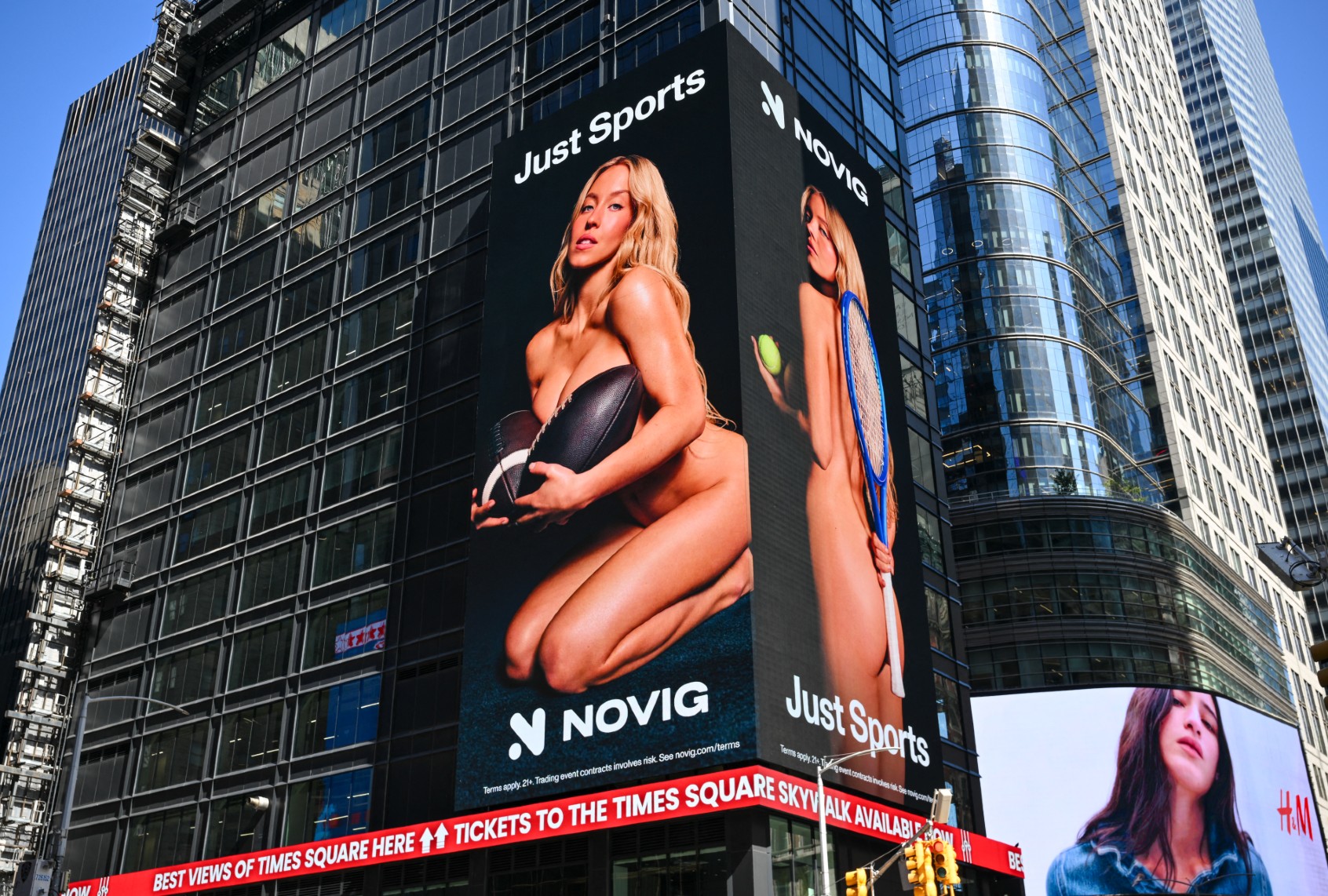
9 September 2026. Sports prediction market Novig launches its first national campaign. Sydney Sweeney wears nothing, covering herself with a football, a basketball and a hockey net, and repeats that the platform is “just sports”. Within five days an Olympic champion swimmer, a world champion boxer and a British sprinter reply in nearly the same format: their own competition footage, captioned “this is what women in sport look like”. Sweeney says nothing and posts a row of ESPN Body Issue covers. This page records two kinds of body contesting the same frame.
This is one page of the observer report. What I watch, over the long run, is how the body gets defined inside the arena: whose body counts as an athletic body, and whose body is only there to be looked at. The question usually hides in the angle of the broadcast camera and rarely gets said out loud. This week it was said out loud, by athletes themselves.
The sample is an advert. Sydney Sweeney held a ball over her body and said the platform was “just sports”. The person who answered had just run the 200m, read the winner’s time into a BBC camera, and then said: this is what women in sport look like. What I want on file is how these two bodies competed for the same position in the same week.
First, the document. On 9 September, sports prediction market Novig released its first national campaign. In the one-minute spot Sweeney is nude, covered by a football, a basketball and a hockey net, repeating that the platform is “just sports”, with one addition: no betting on wars, deaths or politics. She is also a Novig equity holder. On Instagram the clip drew 1.1 million likes in five days.
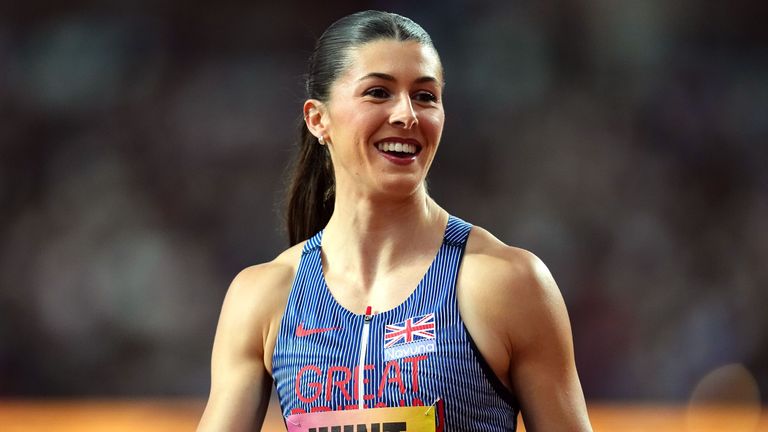
Then the reply. On 13 September, British sprinter Amy Hunt finished the 200m final in Budapest, named Sweeney into the BBC camera, then read out the winner’s time: 21.4, muscles, hard work, sweat, blood, tears. The same weekend, four-time Olympic champion Ariarne Titmus and world champion boxer Skye Nicolson posted on Instagram. Gymnast Gracie Kramer posted her competition footage; it passed a million likes.
Why today. Sweeney has not answered in words, only a row of ESPN Body Issue covers on her Stories: Serena Williams, Megan Rapinoe, Rob Gronkowski, all athletes, all nude. Social Blade data shows her Instagram lost 137,000 followers on Sunday and another 68,000 on Monday. On 17 September, WNBA player Sophie Cunningham voiced the first dissent on her podcast. Wait a week and this split will be buried under the next advert.

All nine are reproduced verbatim, unedited. Five come from athletes: a swimmer, a sprinter, a boxer, a gymnast and a 100m semi-finalist. Two come from the advertising side: Sweeney’s press-release line and Novig’s official account. One is the dissenting view of a WNBA player. The last is the most widely shared spectator post on X.
Not only a kick in the face to every woman who has dedicated her life to perfecting her craft, but every woman who enjoys sports for what it really is — teamwork, friendship, dedication, excellence, unity.
Sydney Sweeney, this is what women in sport look like. 21.4, muscles, hard work, sweat, blood, tears. This is a beautiful evening.
There’s a big difference between looking ‘sexy’ because you do sport compared to using sex to sell ‘sport’.
Idk what Sydney Sweeney was doing but this is what a woman in sports looks like
Respectfully Sydney Sweeney… This is what women in sports really look like.
The concept is simple: cut through the noise and put the focus entirely on sports. The campaign brings that idea to life with confidence, humor and a playful edge.
Confirmed: Sydney Sweeney knows ball.
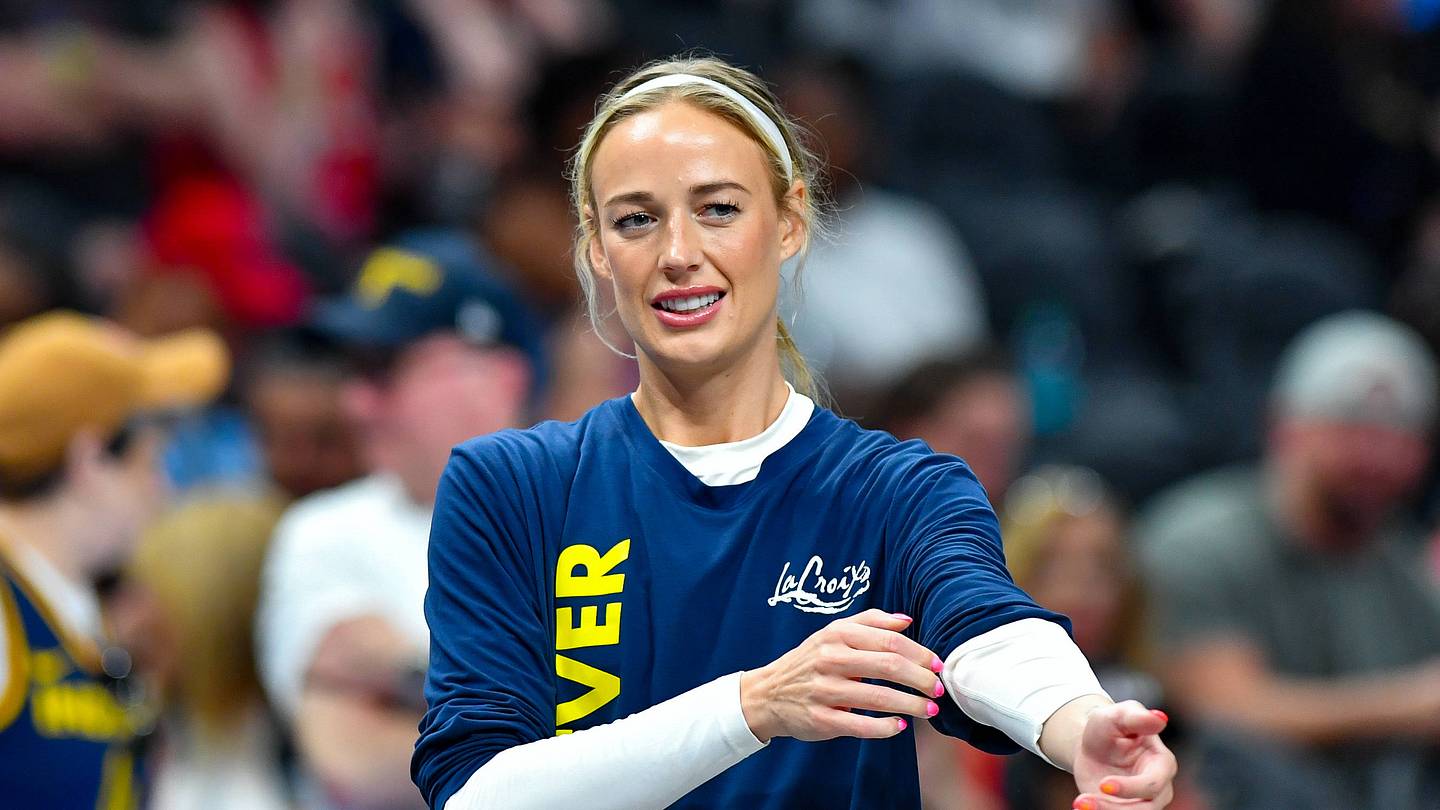
Now, here’s my hot take... Why are girls mad? Like, that is literally what she does. Why is anyone mad? Like... of course that’s going to draw attention. Again, do I agree with it? Morally, I think it’s kind of weird, but like teach their own. Go do your thing, sis.
SHE REALLY DIDN’T NEED TO SAY A WORD. Sydney Sweeney just posted these ESPN Body Issue shots after the backlash. Now the comparison is getting interesting.
Look first at the format of the reply. Kramer, Bree Masters and Hunt used the same sentence over their own competition footage. Nobody asked for the ad to be pulled; nobody discussed Novig as a company. They put their own bodies in front of the camera as counter-evidence. Someone on X noted it had already become a TikTok wave of athletes posting training clips.
Then Sweeney’s side. Her reply contained no words, only a row of other people’s nudes: ESPN Body Issue covers from a decade ago. The move throws the question back: Serena can undress, why can’t I. Her critics answered in near unison: those were the athletes themselves, in a sports magazine. This record does not yet rule on which side is right.
Novig and Sweeney speak in the language of “just sports”. The press release promises to “cut through the noise” with “confidence, humor and a playful edge”. Nudity does not appear in this account.
The athletes’ side is close to unanimous, and the format is fixed: post your own competition footage, write the same sentence. Kramer’s post passed a million likes; Sweeney lost 200,000 followers in a week. The memes target the words “just sports”.
The emerging reading comes from Northeastern’s Stephen Warren: the ad appears designed to be forwarded. Neither he nor anyone he spoke to saw it on a billboard; they saw someone online saying “look how crazy this ad is”.
The hardest dissent comes from Sophie Cunningham: why are girls mad, that is literally what she does. A second line, a minority online, holds that the ad sells gambling and the athletes picked the wrong target.
Athletes replied collectively in one format for the first time. Criticism of ads like this used to come from commentators; this time it came from the track, the pool and the ring, using their own bodies.
Because “just sports” was attached to a body that does no sport. The equipment covers a body; it never plays. What athletes saw was their tools turned into props.
The assumption that showing the body equals empowerment. Sweeney offered ESPN covers as evidence; athletes answered that those were the athletes themselves, in a sports magazine. Same nudity, different position, different meaning.
What they want seen is the result. Hunt read a time into the camera; Titmus spoke of craft. The picture they want holds muscle, sweat and blood, and no pose.
The reply became a reusable template. “This is what X looks like” plus your own clip travelled from gymnastics to sprinting to boxing within days. TikTok users are already copying it.
Next time a brand casts an actor for a sports product, will it budget for a “this is what we look like” response in advance? If so, does the athlete’s body become a pre-calculated counterforce?
These six themes are the fixed frame INCODER holds up to every cultural signal it screens. They work like a pair of glasses: put them on and the same event grows a different meaning.
The ad reached people almost entirely by forwarding; Warren says nobody saw it on a billboard. When an ad’s placement is other people’s anger, does the noise become its main channel?
Sweeney said nothing and posted other people’s nudes. Does a reply assembled from someone else’s images count as a position? Could silence plus citation become a public figure’s new way of speaking?
Football, basketball, hockey net: in the ad they are all coverings. The same ball is a tool in an athlete’s hands and fabric in front of a lens. Does an object’s meaning depend entirely on who is holding it?
The loudest replies came from athletes still competing. Hunt had just finished fourth; Masters is a semi-finalist. Could a counterattack grown at the edge of the arena work better than commentary?
Athletes in three countries replied with one sentence within days, and nobody organised it. Does a format that aligns itself make “collective statement” something that no longer needs a collective?
Losing 200,000 followers is read as a verdict; 1.1 million likes is read as a verdict. The two numbers point in opposite directions. Has attention already stopped working as evidence?
Lay out the assumption first. Sports advertising has always presumed the body is the selling point and any body will do. This week’s argument turned up another layer: athletes hold that a body appearing in a sports frame must first have done the sport. Sweeney asked back with ESPN covers, and the athletes’ answer rested on one word, themselves.
Where that line sits, neither side has said. Cunningham says this is simply Sweeney’s job, pushing the question back to a division of labour. Hunt reads out a time, placing entitlement in results. In front of the same lens, two bodies each claim the right to be there. Which claim survives, this record cannot yet say.
This report records the state of observation at this moment.
Novig’s autumn activations have not run; the follower figures are third-party counts; Sweeney has still not replied in words. The judgements here may be reinforced, or overturned.
Observation continues.