
What Changed?
A place’s sound gets compressed into a tag. The tag travels faster than its origin, and listeners keep the scent while forgetting who made it.
Dazed ran a feature on 6 October on how baile funk became the soundtrack of the online erotic economy. This page records what remains of a place’s sound once the internet compresses it into a scent.
This is one page of the Observer reports. I usually track how the vocabulary of underground scenes gets re-catalogued by search boxes, algorithms and thumbnails. This time the vocabulary is baile funk. In Rio it has names and street addresses; on the FYP it is a tag.
Dazed places the tag inside the online erotic economy. I added two older documents: a Rio DJ’s 2023 ban on TikTok songs, and a 2024 r/phonk argument over naming. Three documents, three years apart, one dispute: who is entitled to name a sound? This record cannot finish the answer yet.
The main document is Dazed’s 6 October feature “Drop the link”, written by Elsa Monteith. It opens on her FYP full of Brazil: baile funk edits under TikTok dance challenges, baby tees with the flag across the chest. The densest pocket is the online erotic economy, where Sophie Rain, Aishah Sofey and Lexi Marvel use it as dance soundtrack.
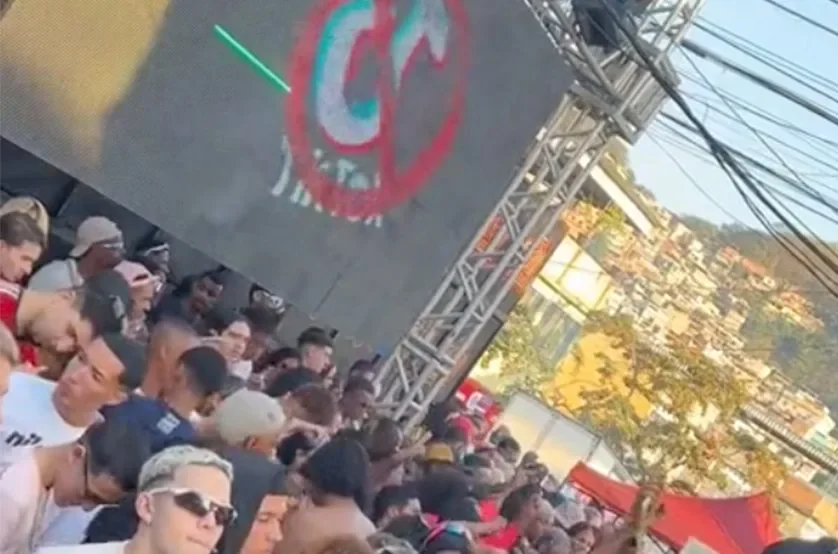
The control group is Rio. In October 2023 DJ Rennan da Penha stopped playing songs made for TikTok virality at Baile da Selva, and Billboard Brasil logged the decision. That November dancer Taísa Machado voiced her worry to the Guardian. In February 2024 a thread on r/phonk argued over what Brazilian phonk should be called.
Why today: three independent lines, joined by Dazed. What a Rio DJ feared in 2023 and Reddit argued over in 2024 has become, in 2026, a sonic trademark of the erotic economy. The signal converges on one point: “Brazil” is now an atmosphere that can be mass-produced. Dazed notes that much of what is tagged baile funk online is Brazilian phonk made elsewhere.
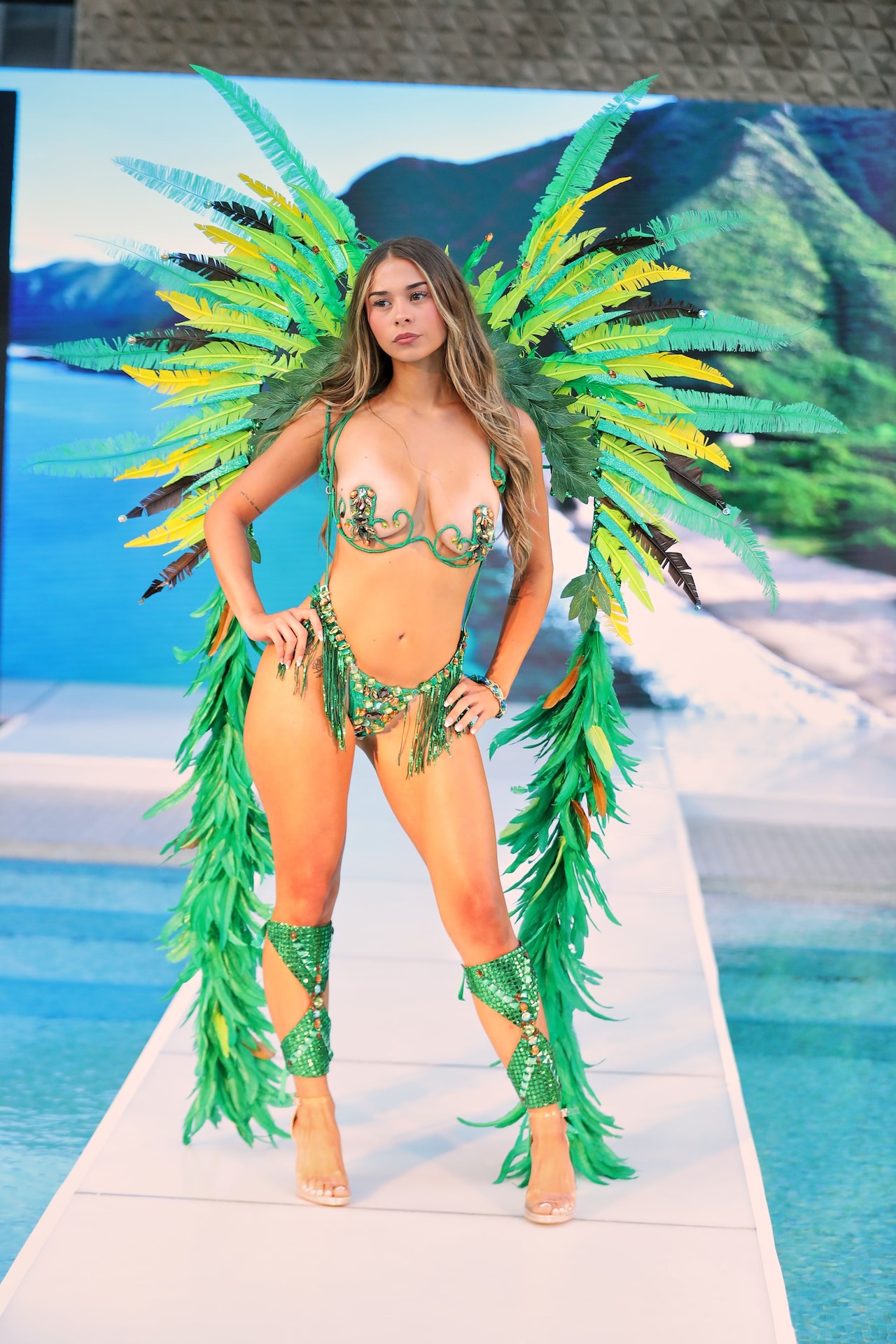
There's a fantasy and fetish about Brazilian and Latin American women, but for many, baile funk can be a really freeing way of perceiving their bodies.
You can make something in your room, post it without expecting much, and then suddenly it ends up in completely different corners of the internet.
an internet-mediated version of Brazilian music that can become increasingly detached from the culture it draws from.
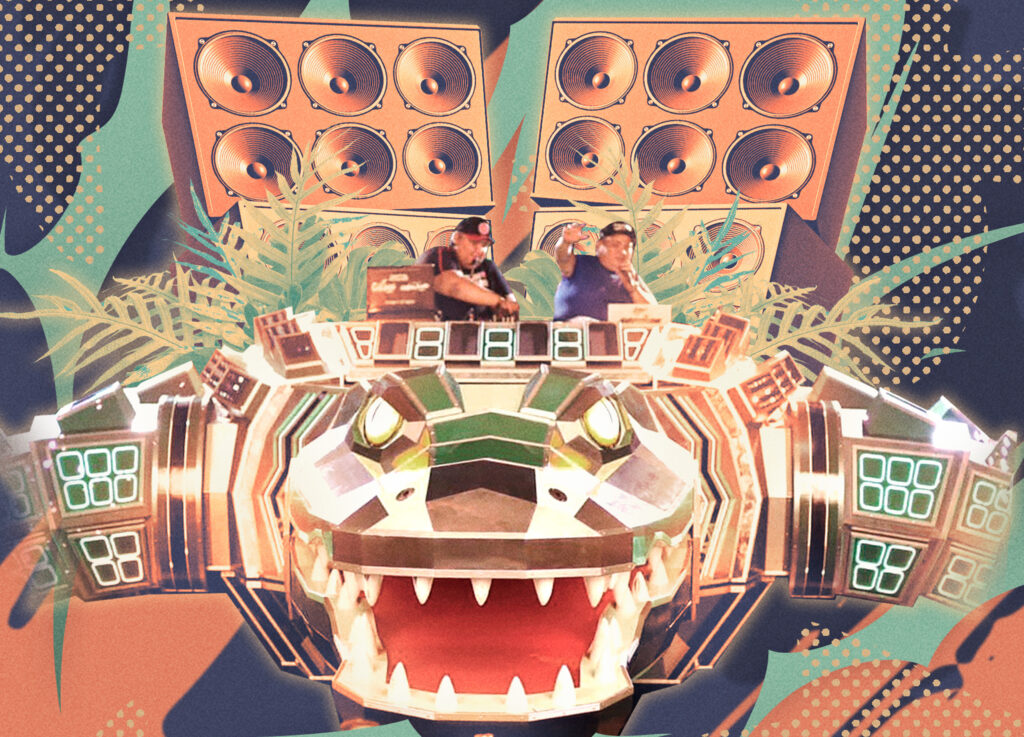
Baile funk itself comes from our reappropriation of Miami Bass, electro, and several other music genres
If you want to make baile funk music, your life experiences need to be connected to the favela.
Muitos artistas e produtores fazem músicas pensando só no aplicativo, em como viralizar. Na minha ideia, isso faz mal para cultura do funk. Foi por isso que decidi não tocar músicas que tenham esse foco
who even said that Brazilian phonk is phonk?
I like the music but they should call it Brazilian funk...If I first got into phonk and found this sub, I would have a negative opinion.
Eight statements from four sources, all drawn from media interviews and public comments. Maia and Ali Beats come from Dazed, Machado from the Guardian, Rennan from Billboard Brasil, and two Reddit comments from the February 2024 r/phonk thread. Rennan’s words are in Portuguese and are kept untranslated.
This column has gaps. The two Reddit comments are two and a half years old and concern naming inside the phonk scene, not OnlyFans. No first-hand account from a creator about song choice turned up. Ali Beats says he does not make music with any particular type of creator in mind. The sample leans toward voices media chose to print.
Dazed’s editorial frame: Brazilian-sounding music has become shorthand for erotic content, and the question is who shares the money and the voice. Maia: “The issue here is economical and political dominance.” Platforms and creators have not commented.
The r/phonk thread stops at the name. Some want it called Brazilian funk, others say the scene is gatekeeping. Nobody in it touches money or place of origin. The fight is over who owns a label.
Dazed’s new reading: baile funk has become a scent, a sonic trademark attached to sex. Maia: “one can really easily come to the conclusion that baile funk equals sex”.
Rennan’s answer is to block: songs built for the app stay off his decks, to protect funk’s lineage. Fellow DJ Byano replies that TikTok is not a genre, and that keeping a culture alive includes playing what is trending.
A place’s sound gets compressed into a tag. The tag travels faster than its origin, and listeners keep the scent while forgetting who made it.
Every FYP carries the same rhythm. The ear recognises it first, and only then does someone ask where the music is actually from.
Does a sound need a place of origin? Ali Beats can build “Brazil” in his bedroom, and the claim that you must be present to count starts to wobble.
Creators want a mood that reads at once. Producers want to be heard. Both go fastest through a symbol everybody already knows.
DJs draw lines around venues, Reddit draws lines around names. Each circle is writing admission rules for its own sound.
If “Brazil” is a downloadable preset, which place gets compressed into a tag next? As tags multiply, does origin start to look like background?
These six themes are the frame INCODER checks against every day’s cultural signals. Think of them as a pair of glasses: the same event grows different meanings once you put them on.
A tag is a compression format. “Baile funk” enters the search box and the favela, the party and Miami Bass get packed away with it, leaving a scent. After several rounds of compression, can the original file still be found?
Ali Beats is 17, and his track plays under a stranger’s video with his name nowhere on screen. At which layer does the name hang, so a listener can find him?
The flag baby tee and the baile funk edit have both become shorthand for “sexy”. The easier a symbol is to use, does its original context grow thinner?
Rio’s parties grew at the city’s edge on vitality the mainstream never tended. Once the rhythm is borrowed to sell content, what is left at the edge for itself?
Rennan blocks TikTok songs, Byano says a living culture plays what trends. Each DJ guards one community. Which border holds up better?
The FYP keeps pushing one rhythm, and ears learn to expect a certain picture the moment they hear “Brazil”. Is the ear trained first, or the picture ordered first?
The question assumes a sound has an origin, and that the origin should receive something. Maia talks about revenue share, Rennan about gatekeeping, Reddit about names. Each holds one position. Nobody asks: once “Brazil” is a downloadable preset, who can still point to the origin?
One layer further down: could pointing to the origin itself be a form of power? Rennan blocking TikTok songs protects the origin, and also decides who counts as one. Maia notes baile funk is itself the product of reappropriation. This record has no answer, only a question: the most-copied sound ends up resembling whose?
This report records the state of observation at this moment.
What has been gathered is media interviews and public comments. Creators’ own accounts, and the real origin and payment of the tracks, have not come in. The reading may be reinforced or overturned.
Observation continues.