
What Changed?
An unreleased game is discussed first as a relationship. The unit of debate moves from whether it is fun to whether it counts as cheating. This happens before release, when most people have seen only official footage.
On 5 October, Dazed ran a column asking whether a boyfriend dating a video game character is cheating. This page records how a mechanic from an unreleased game was tried first as a relationship problem.
This is one page of the Observer Reports. I usually record how a topic travels from game talk into everyday life, then gets scored by people who have not played it. This time the subject is Lucia from GTA VI, a character who is not out yet. She is already being measured against real partners.
Dazed turned the dispute into an advice-column question on 5 October. Original words from TikTok, Bluesky, X, Instagram and Reddit sit side by side in 01. I cannot tell whether this is games news or relationship talk, since both camps describe the same mechanic in their own vocabulary. The release date has not arrived, and the argument already has a timeline.
The main document is a Dazed column of 5 October, “Help! My boyfriend is dating a video game character,” written by Hatti Rex. It uses GTA VI’s Jason and Lucia as the example and asks whether building a bond with an NPC counts as cheating. Eliza, the interviewee, treats how time is spent as the real question.
The history starts in late August. TechRadar interviewed Rob Nelson, who said the Jason and Lucia bond needs tending and the whole system can be left alone: “It’s not something that we want to foist upon players.” In early September, Kotaku logged TikToks with views in the millions that read the same mechanic as a question of fidelity.
Why today: Dazed’s column moved the topic from the games pages to lifestyle and culture. Between the 28 August interview and 5 October, about five weeks, one mechanic was read as game design, a generational trend and a gender dispute. The signal converges on one point: a player’s bond with a character set beside a player’s bond with a real person. The game is due in November, and most people have seen only official footage and interviews.

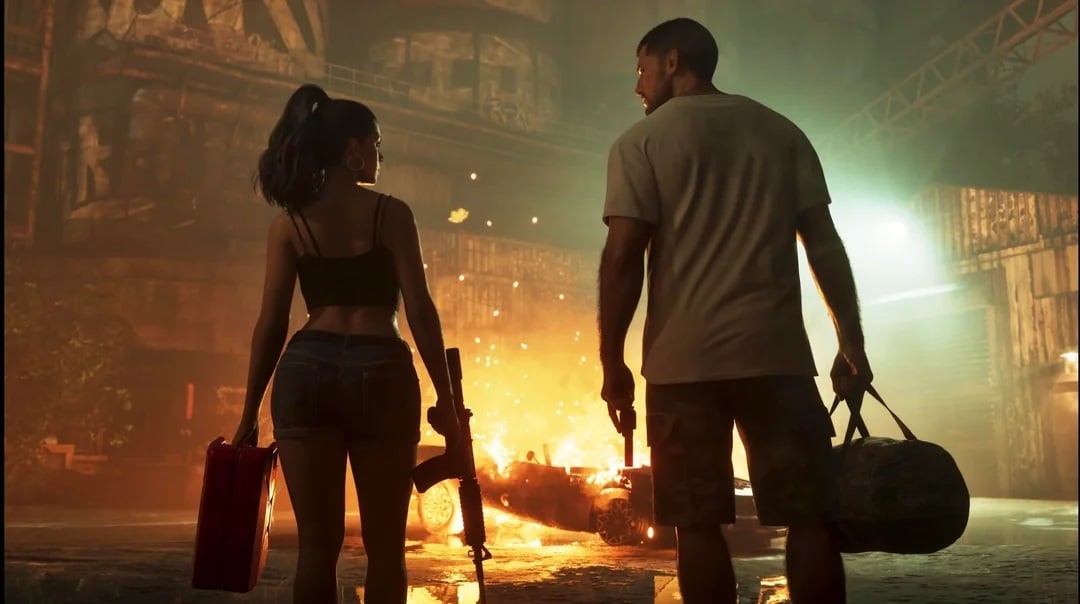
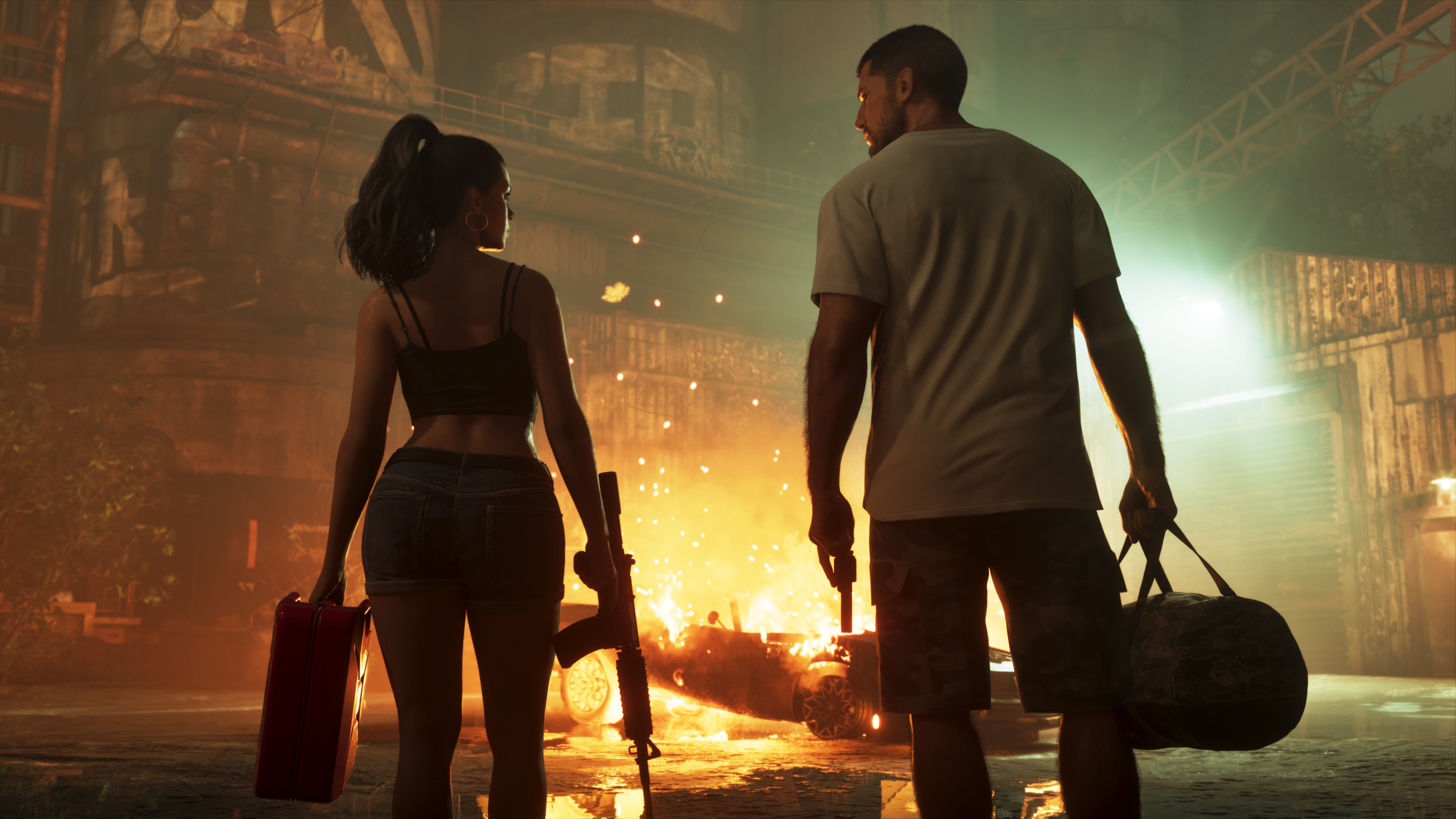
In absolutely no human way is my fiancé playing GTA 6. You literally have to maintain a relationship with a girl [in] the video game and text her, and she'll get mad if you don't text her back.
This is mining a handful of TikTok videos for an article with the blatant subtext of 'women, eh?'
@DiscussingFilm sorry babe I can't hang out today, I have to go shopping with my video game girlfriend
When my wife wants me to spend time with her for Thanksgiving but Lucia lowk told me to be home by 7
Me and Lucia bonding at a restaurant of her choice after I told my IRL girl I don't have any money...
This may just be some gamers' first experience of putting effort into a relationship.
GTA isn't a fetish game
If someone was choosing to game more than spending time with me, that's probably the bigger issue.
All eight voices are relayed: Kotaku relays TikTok and Bluesky, Dazed relays X and two Instagram Reels, Yahoo Tech relays the Instagram comment, and Attack of the Fanboy paraphrases Reddit. Only Eliza was interviewed directly by Dazed.
This column has gaps. Reddit gives one line and I found no original thread. Kotaku notes that comments mostly reject the videos’ premise, so the real reaction on TikTok looks more scattered than the headlines. The sample leans toward posts picked by media and cannot stand for players in general. Quotes keep their original wording.
Rockstar’s Nelson places the system inside emotional design: “you’re a steward of their relationship.” The official line speaks only of immersion and opt-out, and does not answer the cheating claims.
TikTok’s main register is half serious, half joking. Some set Lucia up as a rival to a real partner, others use her for the first-girlfriend joke. The comments mostly refuse the premise, taking the posters to be chasing views.
Dazed and Yahoo Tech lift the topic to generations: 56% of Gen Z had a romance as teenagers, against over 70% of older cohorts. The in-game relationship reads as a low-stakes practice ground for people with less experience.
Creative Bloq’s Daniel John calls it a “manufactured social media controversy.” Another critique points out that the one put on trial always seems to be the girlfriend.
An unreleased game is discussed first as a relationship. The unit of debate moves from whether it is fun to whether it counts as cheating. This happens before release, when most people have seen only official footage.
Texts must be answered, and neglect brings anger. Everyday rules of closeness are written into the game, so people recognise their own lives and can take a side without playing. The bar to react is low, and sharing is quick.
Whether a fictional partner is present has no consensus. Some treat her as an extension of novels and series, others as a third party who needs a conversation. Each couple draws the line somewhere different.
Wanting to be needed, and wanting a predictable counterpart. Lucia’s texts can turn angry, but the temper is designed, and that may be what reassures. A real partner’s temper comes with no manual.
Couples are starting to put game content into relationship negotiation, alongside screen time and social follows, as an item worth discussing. Dazed’s ending also returns to communication and declares no winner.
When a game character texts and gets angry, how much of the next generation’s practice at relationships will first happen inside a pre-written script? Might real reactions then be measured against the script?
These six themes are the frame INCODER checks every cultural signal against, closer to a pair of glasses. Put them on and the same event grows a different meaning.
Passed to TikTok, the same mechanic shrinks to one line: texts must be answered. Detail stays in the interview and the short version travels further. The shorter the retelling, the bigger the dispute. Is that a pattern?
Lucia has no account and nobody behind her replies, yet people get jealous on her behalf. How far must a pre-written identity go before it counts as a counterpart?
Texting, dating and cheating belong to real relationships and are now borrowed to describe a game mechanic, with fidelity carried along too. After the move, does the meaning travel with the words?
Looking for a partner inside the system who cares about you is an old move at the edge, from forums to streams to chatbots. Is designed caring a substitute, or another kind of practice?
A few videos bring views in the millions while the comments mostly object. Amplifiers tend to pick the loudest clip. How wide is the gap between the amplified voice and the actual consensus?
The in-game phone alert is built to be unignorable, and so is the real one. With both alerts stacked into one evening on one screen, whom does attention get billed to?
The question assumes that care needs a counterpart who feels. Lucia’s texts are designed, and so is her anger. When a player answers a message, a set of rules is being answered. The real person who feels neglected still feels it. Eliza says the larger issue is time, and Nelson says the system is optional. Neither touches this: could the rules themselves teach someone to care?
One layer further down: could the comparison itself be part of the mechanic? The game asks players to tend a relationship, and real partners are being tended too. Both sides use the same verbs, which makes the argument easy to move house. This record has no answer, only a question: when two kinds of tending land on the same evening, who gets the reply first?
This report records the state of observation at this moment.
What is in hand is media coverage and relayed community posts. The game is unreleased and first-hand player accounts are not yet in. The judgment may be reinforced, or overturned.
Observation continues.