
What Changed?
A line left by the ballroom scene moved into the opening of a luxury show. It began as spoken testimony in a documentary; now it is the first sound of a collection, with a whole season of clothes behind it.
On 3 October, Celine SS27 was shown in a white thatched hut inside Paris’s Musée des Archives Nationales, opening on a recording of Dorian Corey from Paris Is Burning. This page records how listeners split once a line left by someone else entered a luxury runway.
This is one page of the Observer Reports. I usually record what a line carries away, and what it leaves behind, when someone puts it to use. This time the line comes from Paris Is Burning, a 1990 documentary. On 3 October it opened a Celine show.
The speaker is Dorian Corey, a performer who made her name in New York’s ballroom scene. I found no word from the designer, so media and forum words sit side by side in 01. Whether the line was heard or merely worn in 2026, I leave open. The first question in the comments was practical.
Dazed’s Isobel Van Dyke recorded Celine SS27 womenswear on 3 October. Michael Rider built the venue as a white-walled, thatch-roofed hut inside Paris’s Musée des Archives Nationales. The show opened on a Paris Is Burning recording, Dorian Corey saying: “Everybody wants to leave something behind them, some mark upon the world.” Erykah Badu’s “I’ll Call U Back” followed, over the first black silk looks. The clothes were pitched low: oversized belt buckles, shoulder-height gold hoops, drooping hats.
The comparison runs along two lines. One is Rider: he delivered his first Celine season last October, and told AnOther this March that he designs by instinct, with no concept set first. The other is the film, a record of late-1980s ballroom culture in New York, with Corey among its central figures. People in the ballrooms compete in looks and treat identity as something that can be assembled. Vanity Teen read the voiceover as the key to the whole season.
Why today: the show ended on 3 October, Dazed, W Magazine and Vanity Teen each published that day, and a TheFashionSpot thread opened at once. The signal converges on one point: a line a community left for itself, placed at the head of a show built on ease. Is it a declaration? The comments split before the reviews finished arriving, one side scoring the clothes and the other the voice. By next week the new season will probably have covered it.
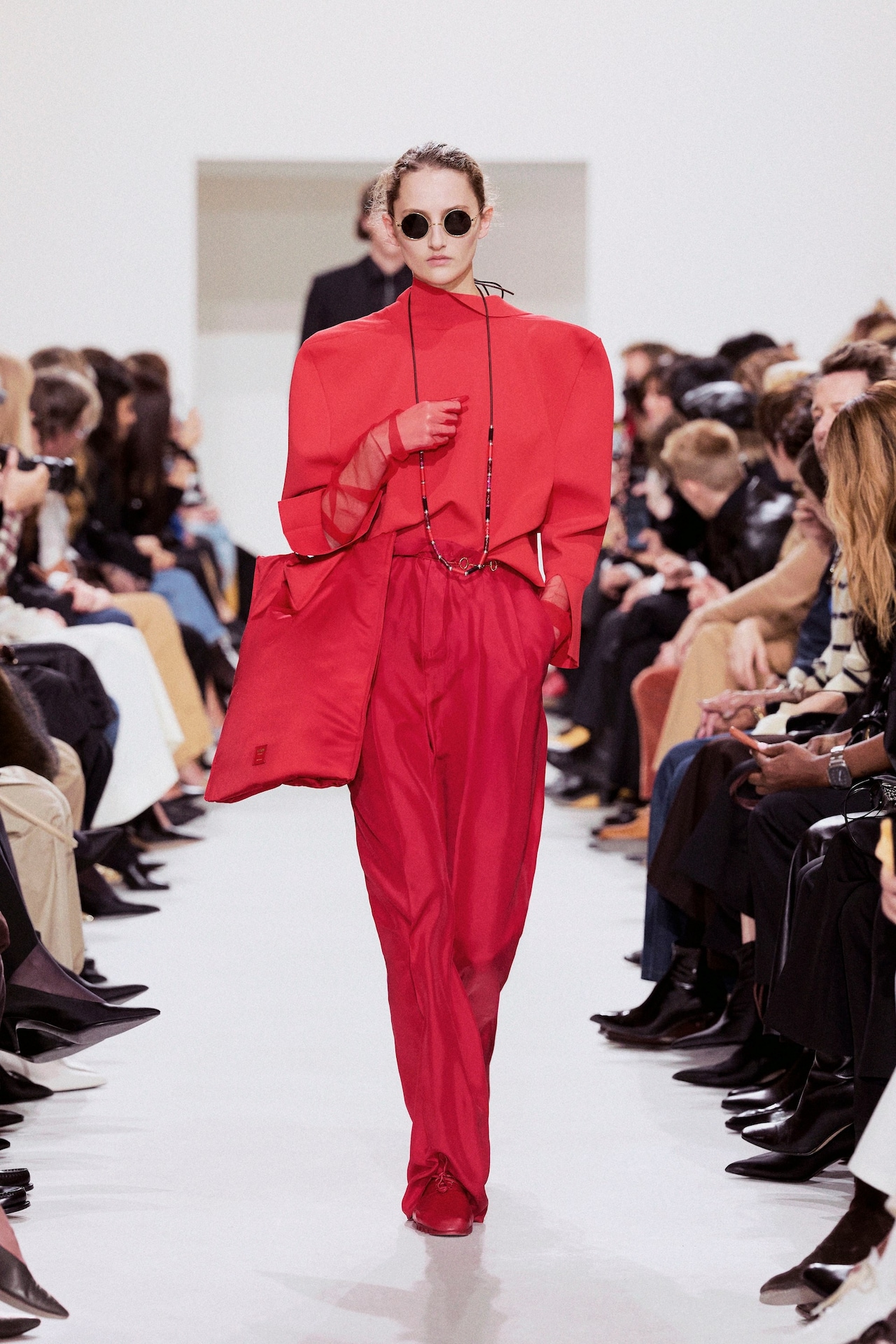
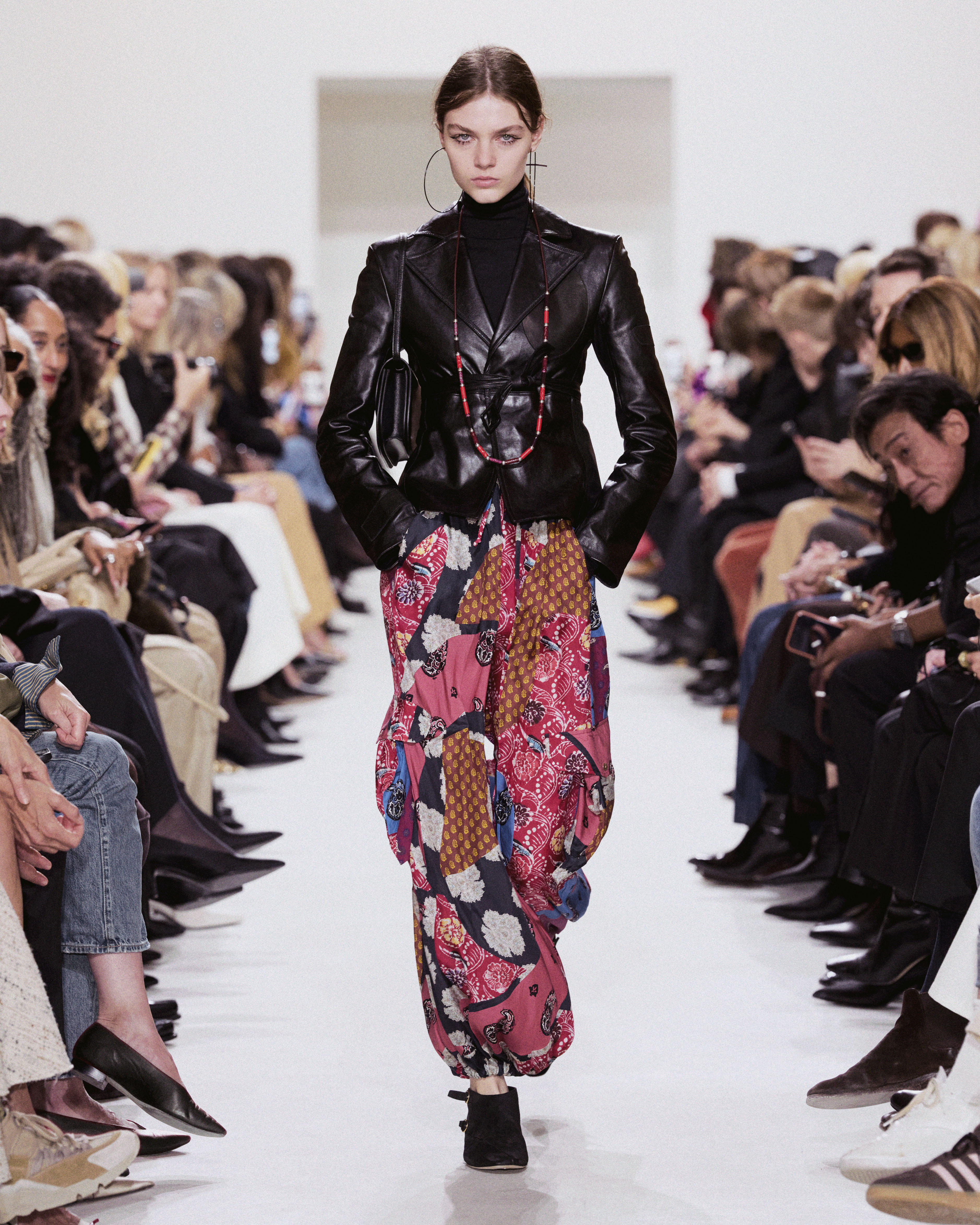
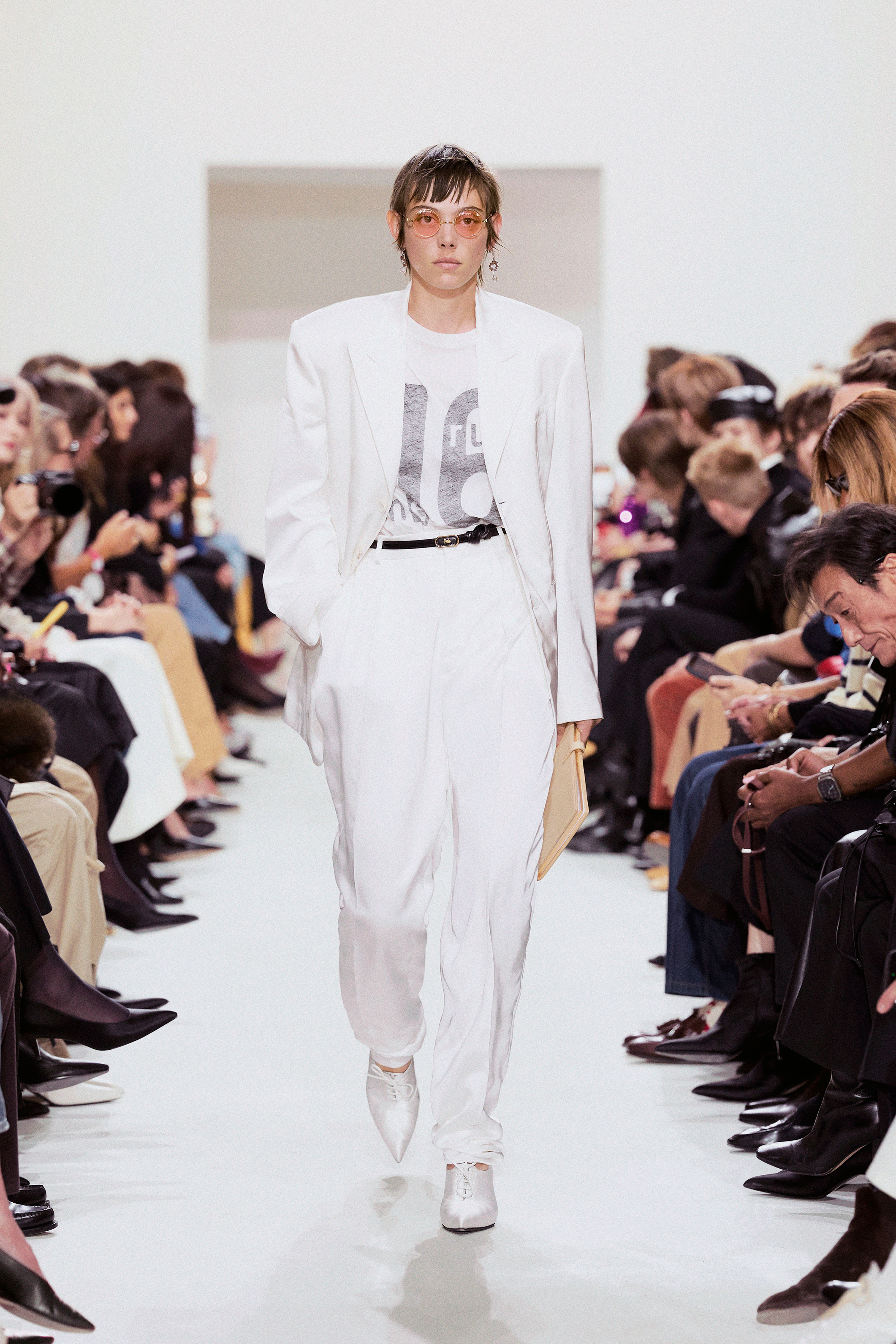
Everyone is blessing us with mains that look like precos this season...And dumb hats!
This was sloppy over all, it is just way too all over the place, from mid late 80s Espirit, to Freepeople Hippie, to Art school student, to retired grandma in Florida.
An expensive C&A.
its just an expensive sezane.com
Who is talking about Paris is burning in 2026? Ancient. These things are ancient.
a lot of people are, actually. it just celebrated its 35th and ballroom is more relevant than either.
They had one job
All seven voices come from TheFashionSpot’s Celine SS27 thread. Its readers are mostly seasoned show-watchers, and the tone is blunt and economical. Some say the clothes look like fast fashion, some object to the hats, and some ask whether the voiceover still counts. The clothes and the voice are scored separately. The thread is public, and anyone can read it.
This column has gaps. The forum page only says “yesterday”, which I record as early October. No first-hand Reddit or X posts could be quoted in full, and no voice from the ballroom community itself was found. The column leans toward fashion-industry readers. The sample is small and does not stand for a general audience. Quotes are kept verbatim.
Dazed’s Van Dyke reads it as a quiet win: “sometimes it’s the most understated shows that get everybody talking.” The piece sets it beside Rider’s recent menswear, the media line closest to an official one. Rider has not publicly explained the voiceover this season.
The forum’s main reading: ordinary clothes, a voiceover that steals the show. Comparisons to fast fashion and budget brands recur, and the voice is treated as the show’s weightiest moment. Some defend the voiceover, arguing the film outweighs the clothes.
Vanity Teen reads the show as a language: accessories are “verbs, not nouns,” and Rider is turning Celine into a way of speaking. On this reading the voiceover is a method, more than decoration. So far one outlet holds this angle, and more reviews are needed to call it a trend.
The sharpest criticism: voice and clothes do not join. A community’s documentary is cited and effortless clothes delivered, and some seem to read that gap as borrowing. Neither the house nor the ballroom community has responded publicly, and none was found.
A line left by the ballroom scene moved into the opening of a luxury show. It began as spoken testimony in a documentary; now it is the first sound of a collection, with a whole season of clothes behind it.
The voice is heavy and the clothes are light. The gap makes it hard to judge both at once, so commenters pick a side: some discuss only the voice, some only the price, some only the hats.
Quoting a classic does not hand the clothes a meaning. The voice belongs to someone else, and whether the clothes can carry it depends on how the wearer walks and how the viewer reads.
To leave a mark. That is what Corey’s line is about, and Celine’s clientele seem to want it too: clothes that wear easily and carry some provenance, so a person feels behind the garment.
Commenters increasingly take a show apart: music, voiceover, clothes and price each get a score. The overall impression is split into parts and argued again, each part with a defender.
When a brand next opens on a community’s voice, will viewers first ask who owns that voice, or first check what the clothes cost? That question may reach the comments before the show does.
These six themes are the frame INCODER checks every cultural signal against, closer to a pair of glasses. Put them on and the same event grows a different meaning.
A recording from over thirty years ago replays on a 2026 runway, and reaches the forum already annotated, with an argument about its age attached. Once information moves house, how much of its original tone is left?
Corey’s voice is cut into an opening and she herself is absent. The voice stays, and the identity shrinks to a name, a sentence, a year. Does the person quoted count as present?
Thatch, black silk, Badu, Corey: four symbols, each with its own source, borrowing light from one another and competing in one show. Which is the subject and which is only background?
Ballroom grew as a way of surviving at the system’s edge, through competition, houses and identities built by hand. Moved to the centre of a luxury runway, does the force of the edge remain?
Forum users discuss a film over thirty years old, and whether anyone still talks about it. When a community’s archive is picked up by strangers, who is entitled to speak for it in the present tense?
One piece of voiceover became the entrance to the reviews. Attention goes to the sound first, the clothes queue behind it, and only then are the hats and the price picked up. Was that order designed?
The question assumes that quoting equals presence. When Corey’s voice played, the whole room heard it. The listeners were guests, the speaker died in 1993, and the community she stands for had no seat. Corey said the line on camera in a documentary, nowhere near a front row. The comments turn this into an argument about age: is the film too old, or just new enough?
One layer further down: whose hands hold the value of what is quoted? The voiceover gave the show weight, and the show gave the voiceover an audience, and a price range. Leaving a mark and being left a mark seem to be two different things. This record has no answer yet, only a question: when the music stops, whom does the line belong to?
This report records the state of observation at this moment.
What has been gathered is media coverage and comments from a single forum. Rider’s account and the ballroom community’s are not yet counted. The judgement may be reinforced or overturned.
Observation continues.