?
When a platform starts using a badge to rule on whether "a real person stands behind this profile," it is answering, on our behalf, a question we ourselves find harder and harder to answer — and if we accept that answer with relief, might it be because letting Spotify certify "who is human" is so much easier than admitting "I may not be able to tell anymore"?
On the surface this is a technical governance story: a new badge, a new rule. But set inside a longer arc, the problem Spotify is addressing straddles two things — the AI music flooding in from outside, and its own years-long history of filling playlists with "ghost artists." The badge handles only the former, and stays silent on the latter.
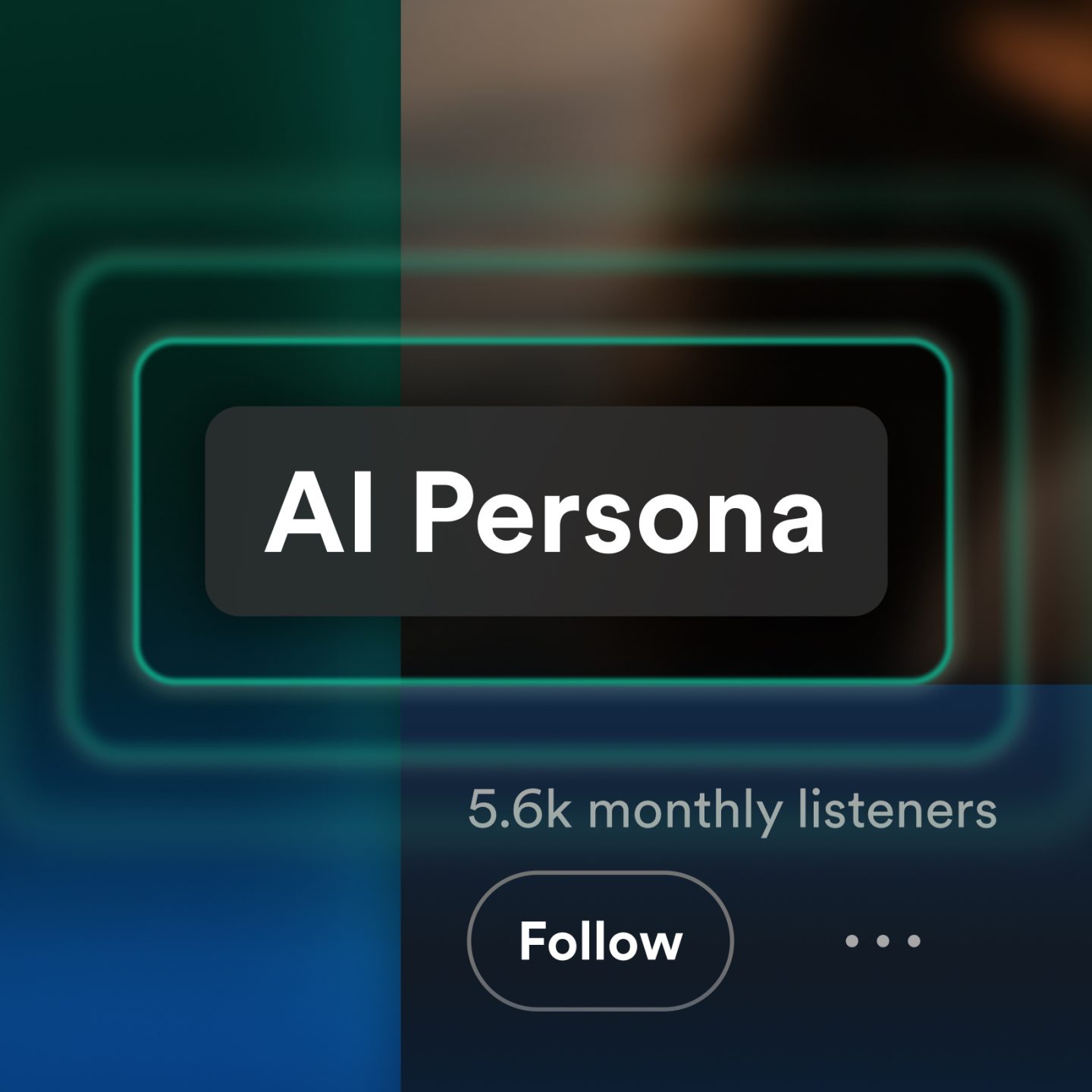
"AI Persona" is a useful phrase perhaps precisely because it shrinks the problem into a clean binary — human, or not human — while sidestepping the harder version: when creation is already a human-and-machine collaboration, when the definition of "real" is itself loosening, is "is there a person behind it" still the right question for judging a piece of music's worth? This record has no answer for now, only a lingering suspense — when the badges light up in September, will we too quickly believe that whatever carries the "real person" mark must be more worth hearing, while the sounds flagged "not human" get pushed aside before we ever give them one more listen and judge with our own ears?