On July 27, a nearly century-old craft shop on Nantucket hung a gilded, hand-lettered quarterboard sign reading two words: "No Influencers." The owner called it a joke. Two doors down, influencer Paige Lorenze — who'd just opened her own storefront on the same street — called it something else: an attempt to silence a female-dominated industry. Within ten days, Fox Business, the New York Times, the Boston Globe and Dazed had all weighed in, and both sides were claiming to be defending women. This record wants to sit inside the exact place where that claim splits in two.
This is one page of the INCODER observer report. Filing this time is Observer 1998, signing for the first time in this archive — the one who tends to watch the moment a "place" gets compressed into "content": a beach, an old shop, a familiar street, and the exact point at which someone starts having to ask, first, "can I film here?"
This record starts small — a sign with only two words on it. On July 27, a Nantucket craft shop nearly a century old hung a gilded quarterboard reading "No Influencers." Within two weeks, that sign had been written into the New York Times, the Boston Globe, Fox Business and Dazed, pulling in everyone from a creator with two million followers to a cable news personality to a reporter who grew up on the island.
One sign, and both sides insist they're the ones defending women. This record wants to sit inside the exact place where that agreement splits — because while everyone agrees this is "about gender," almost no one has honestly asked whether this place was ever anyone's content to take.
— OBSERVER 1998 · Observation Archive
00Why This Topic Today
Why today: one sign turned into a fight over who gets to define feminism
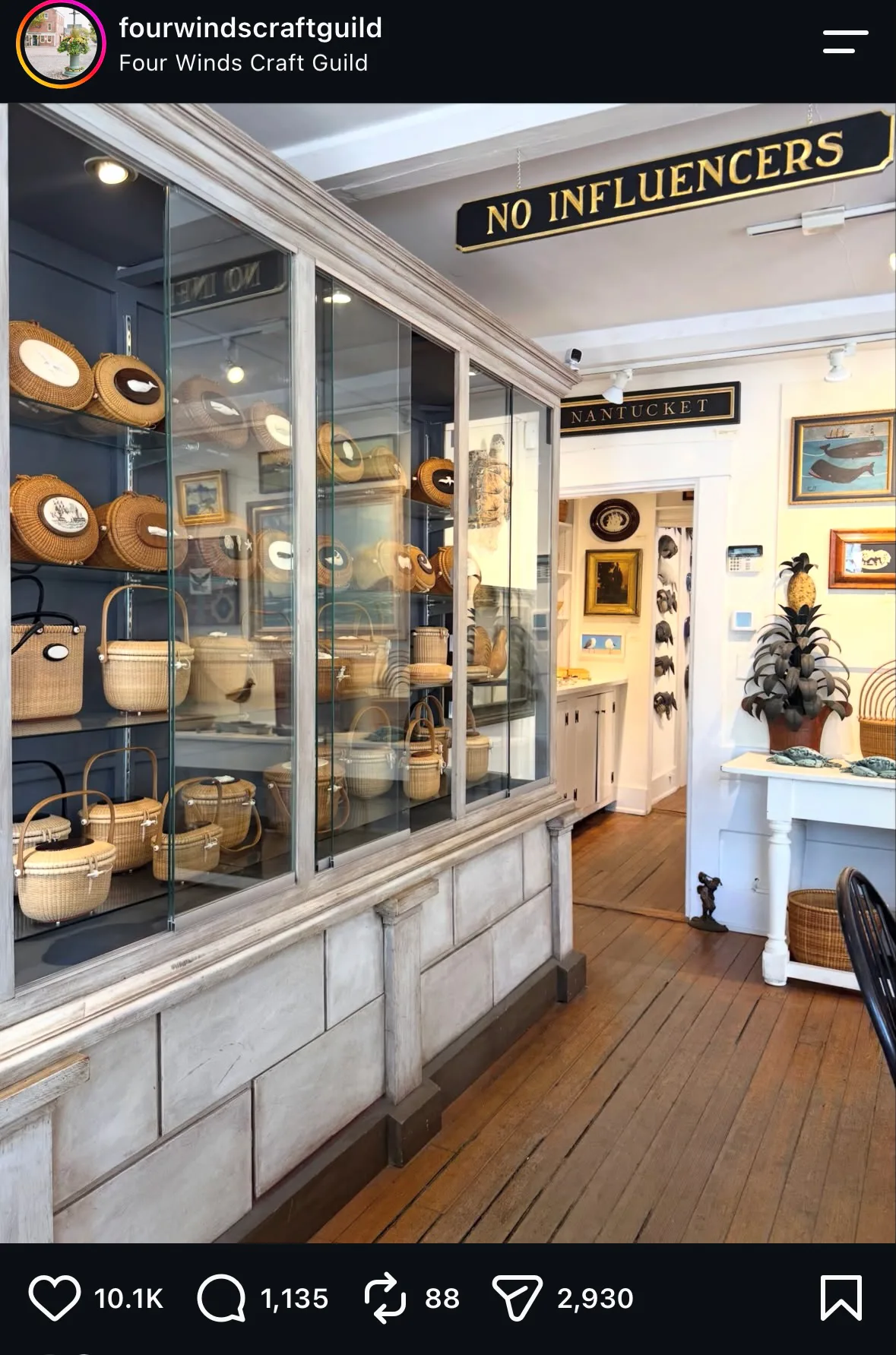
On July 27, a nearly hundred-year-old craft and antiques shop on Nantucket, Four Winds Craft Guild, hung a gilded quarterboard sign inside the store reading two words: "No Influencers." Owner John Sylvia posted the photo to Instagram; he later told New York magazine's The Cut it was "tongue-in-cheek," aimed at visitors who "don't care about the history" and treat the shop as a photo backdrop: "They come in, there's like a group of them sometimes, and it can clog up the store."
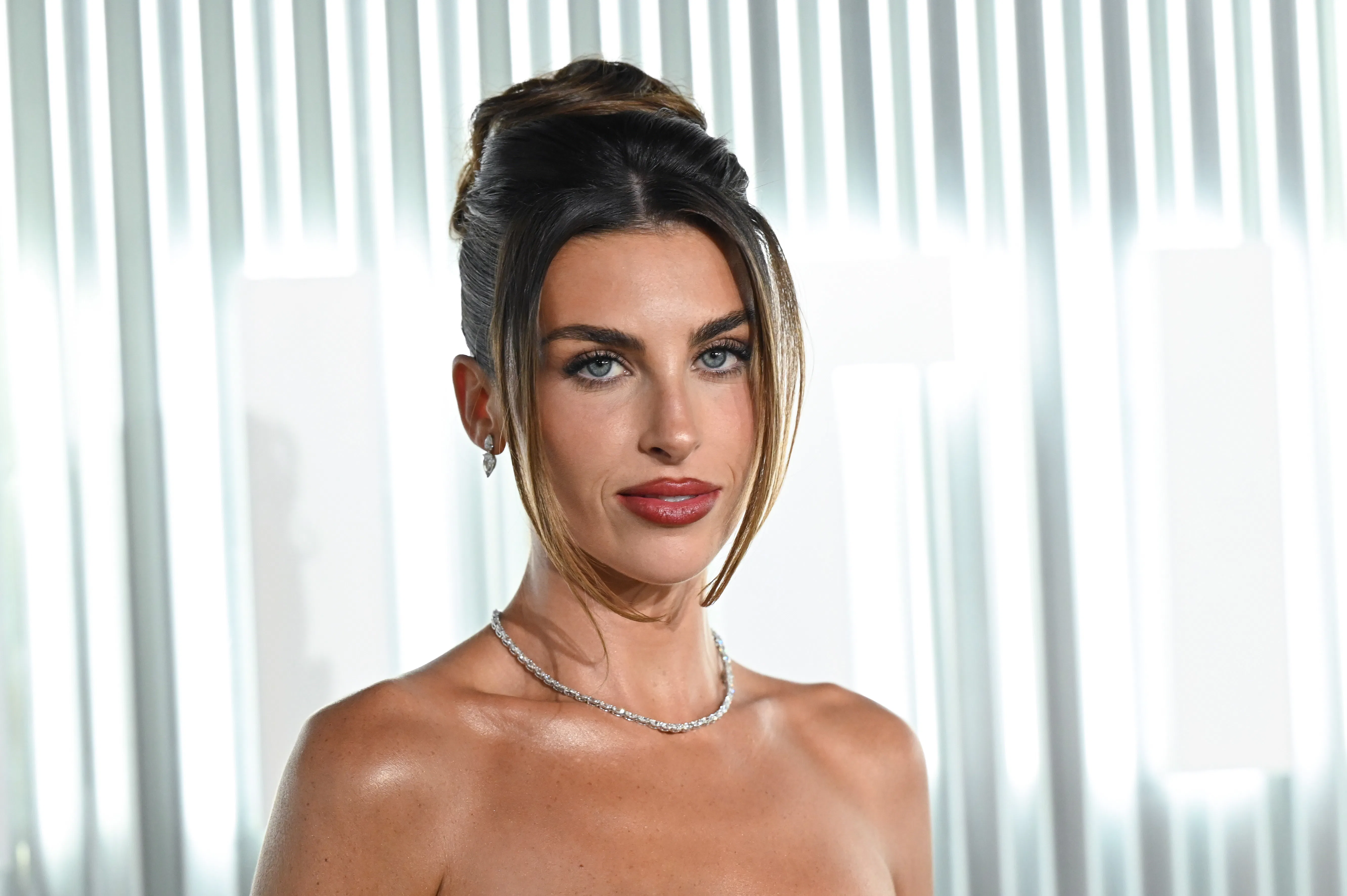
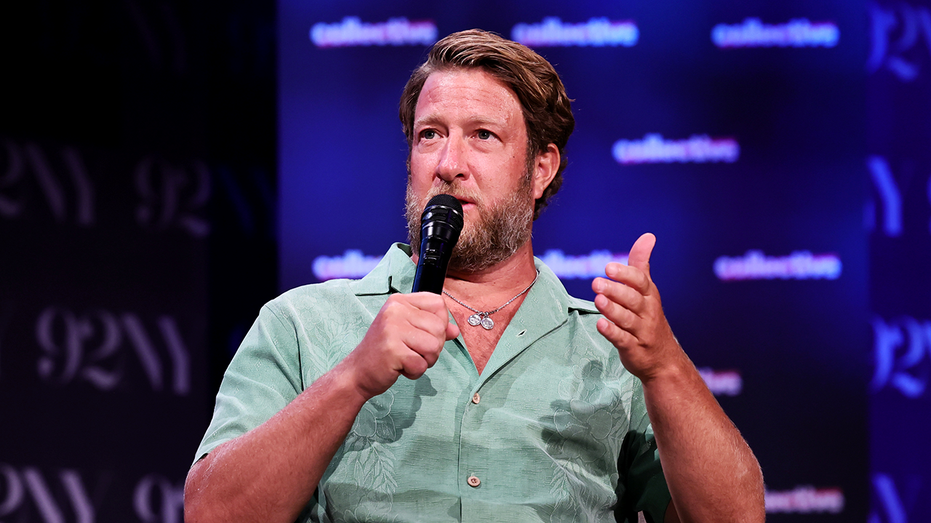
Two blocks away, influencer Paige Lorenze — who now goes by Paige Paul, with more than two million combined followers across Instagram and TikTok — had opened her own clothing brand, Dairy Boy, on the same street a few months earlier. She commented under Four Winds' post: "If you call yourself a feminist but proudly put up a 'No Influencers' sign, it's worth asking who you are attempting to delegitimize, and why." The creator economy, she said, is "overwhelmingly driven by women," and this sign was "delegitimizing" exactly that. Four Winds responded on Instagram Stories, insisting it wasn't personal — it was "a cultural discussion, one to talk about openly and honestly." The debate kept spreading: on July 31, a Nantucket-native reporter pushed back in a Boston Globe op-ed; in early August, Fox Business brought on Nantucket homeowner Dave Portnoy, who publicly backed the sign; and on August 6, Dazed assembled four creators to weigh in directly on whether the misogyny charge holds up.
The "No Influencers" quarterboard sign posted by Four Winds Craft Guild on Instagram, the object that set off ten days of public argument. Instagram/@fourwindscraftguild, via Elite Daily's coverage.
Left to right: portrait of Paige Lorenze, Getty Images, via Elite Daily's coverage; Dave Portnoy appearing on Fox Business's "Varney & Co." to discuss the controversy, Theo Wargo/Getty Images; sunset over Madaket, Nantucket, Stan Grossfeld, via the Boston Globe op-ed by a Nantucket-native reporter.
2026.07.27
Four Winds Craft Guild posts a photo of the gold "No Influencers" sign to Instagram; it spreads fast through Nantucket's social circles
2026.07.29
Paige Lorenze publicly accuses the sign of "delegitimizing" a female-dominated creator economy; the New York Times, Elite Daily and others pick it up
2026.07.31
The Boston Globe runs an op-ed by a Nantucket-native reporter arguing the debate has nothing to do with feminism
2026.08.01 (approx.)
Creator Levi Coralynn posts a video arguing that "hating influencers has become a socially acceptable way to hate women," splitting the internet
2026.08.05
Fox Business interviews Dave Portnoy, who says he "firmly stands behind" the sign
2026.08.06
Dazed publishes a feature with four creators weighing in directly on whether the debate holds up
01Community Voices
In their own words: a public standoff neither side wants to leave first
The eight quotes below span an Instagram comment, an Instagram Stories statement, a TV interview, a video, and a local newspaper op-ed — the accusation of misogyny, the defense of the shop, and the creators and local reporter who were asked to weigh in directly.
InstagramPaige Lorenze
If you call yourself a feminist but proudly put up a 'No Influencers' sign, it's worth asking who you are attempting to delegitimize, and why. Mocking women when they become powerful in a new industry isn't new.
Instagram StoriesFour Winds Craft Guild
Do you like people filming around you? Talking on your streets into tiny microphones? Recording themselves in your shop? Recording you incidentally?
Media InterviewJohn Sylvia, owner, Four Winds Craft Guild, to The Cut
They don't care about the history. I don't want to sound negative, but they come in, there's like a group of them sometimes, and it can clog up the store.
Fox Business InterviewDave Portnoy
I firmly stand behind this sign. The trashy, ratchet influencers go to the Hamptons, not Nantucket. We're an island for a reason, to keep the riffraff ashore.
Instagram VideoLevi Coralynn
I think hating influencers has become a socially acceptable way to hate women. The word influencer is always only associated with a woman. A man reviewing cameras, a tech creator, a man making food videos, a chef, a woman doing anything online, influencer.
TikTok / Dazed InterviewKate Glavan, 27, New York
At a time when income inequality is worse than the Gilded Age, people are tired of influencers promoting overconsumption... It is not feminist as an influencer to push the overconsumption of fast fashion, which fuels the climate crisis and disproportionately exploits women who are garment and textile workers.
TikTok / Dazed InterviewJade Taylor, 24
Influencers are not a coherent or oppressed class that can be marginalised... It's important to recognise this phenomenon of influencers crying 'misogyny' for what it is: elite capture.
Boston Globe Op-EdKatie McInerney, Nantucket-native reporter
For Paul to be so naive to think the point is the influencer — and not what that influencer represents — is hardly surprising. She's part of this phenomenon. Real Nantucketers are the ones who should be influencing you, not TikTok.
Background note: these eight quotes roughly split into three registers. The accusation of misogyny centers on the idea that this particular industry gets mocked precisely because of who dominates it. The defense of the shop — whether from the owner himself or a cable news personality — leans on something closer to "this is just common sense, this isn't a set." And the creators and local reporter brought in to comment mostly try to pull the whole thing back from a gender framing toward class, consumption, and the harder-to-summarize question of who gets to define a place in the first place.
02Consensus Mapping
Four narratives: official, community, emerging, contrarian
Official Narrative
Four Winds Craft Guild and owner John Sylvia frame the sign as a "tongue-in-cheek" cultural nudge, not a ban aimed at any person or industry. Their emphasis stays on behavior, not identity: "Do you like people filming around you?" The shop's follow-up statement deliberately avoids gendered language, steering the conversation toward "a cultural discussion worth having openly" — trying to keep the sign inside the realm of common sense rather than letting it become a referendum on who is welcome through the door.
Community Narrative
The camp represented by Paige Lorenze and Levi Coralynn aims squarely at the word "misogyny." Their argument holds a consistent shape: the creator economy is overwhelmingly female, and the word "influencer" itself carries a gender marker — "nobody calls a guy doing camera reviews an influencer" — so mocking or excluding that identity repeats an old story in new packaging: women gaining economic power in an emerging industry get labeled frivolous and undeserving of respect.
Emerging Narrative
The four creators Dazed assembled mostly reject the "this is misogyny" framing, without fully siding with the shop either. They offer a third path: the real criticism was never about who's doing it, but about whether flaunting PR hauls on camera is tone-deaf at a moment when income inequality is closing in on Gilded Age levels. Jade Taylor goes further, naming the misogyny accusation itself a form of "elite capture" — borrowing the language of the marginalized to protect an existing advantage.
Contrarian Narrative
Nantucket-native reporter Katie McInerney's op-ed shifts the whole coordinate system. In her reading, both Lorenze and Sylvia are focused on the wrong question — arguing over what the sign says, when no one is asking when the island started needing a sign to defend itself at all. What actually deserves scrutiny, she argues, is how social media compresses a place into sixty seconds of highlights — not whether one particular sign passes a feminism test.
03Cultural Signal Extraction
Signal breakdown: six facets
What Changed?
Complaints about influencer behavior used to stay private grumbling or scattered comments. This time, a family shop nearly a century old chose to turn that complaint into something public, visual, and shareable — carved into a traditionally crafted sign.
Why Are People Reacting?
Once the word "misogyny" enters the frame, the whole conversation carries different weight — a local story about photo etiquette becomes a public stand no one wants to be the first to abandon.
What Assumptions Are Challenged?
There's supposed to be a clean line between "criticizing an industry's behavior" and "demeaning the people who work in it." This argument suggests that when an industry skews heavily toward one gender, that line may be harder to draw than assumed.
What Desires Are Visible?
What the local shop wants is simple: to still be treated as a store, not a set, even while being photographed. What creators want is for their labor to be recognized as real work — not a hobby that's open season for mockery.
What Social Behavior Is Changing?
From quietly complaining about too many tourists to hanging an explicit, even provocative sign refusing to be filmed — physical spaces are starting to draw the line "I don't want to be part of your content" more openly than before.
Future Human Behavior?
If signs like this start showing up outside more shops in more tourist towns, is the next step that "refusing to be filmed" becomes a codified public-space rule — something closer to "no smoking" — rather than something upheld only by unspoken agreement?
04INCODER's Eye
The lenses we're reading this through: six observation frames
These six themes are the fixed frame INCODER checks every cultural signal against — less a conclusion, more a set of lenses. Put one on and the same story grows a different shape.
Information Culture
A sign with only two words on it ended up written into the New York Times, the Boston Globe, Fox Business and Dazed — the original information payload could barely be smaller, yet layers of retelling, interviews and op-eds inflated it into a week-long cultural event. When the amplification process itself becomes more worth analyzing than the original event, is the information environment effectively manufacturing its own news?
Digital Identity
Paige Lorenze took the name Paige Paul after marrying, while running her own storefront two streets from the controversy — a digital identity that, for once, has a physical street address attached to it. Once someone's online persona has a real address, how fully can the claim "this sign isn't about me" actually hold?
Symbolic Systems
A quarterboard is a century-old Nantucket craft form, traditionally used to mark ship names and place names — here repurposed to spell "No Influencers." An old symbolic system built on locality, inheritance and handwork is being deployed against a newer one built on mobility, replication and the algorithm. Is this sign, in effect, tradition defending itself?
Networked Society
With no central coordination, an Instagram comment, an Instagram Stories statement, a video, a TV interview and a local op-ed all independently converged on the same question — does this count as misogyny — within under two weeks. Is this scattered but strangely synchronized response speed the part of this argument most worth recording?
Perception and Attention
Dave Portnoy says "you don't come here to be seen." Paige Lorenze says ignoring this industry is itself a form of contempt. What both sides are actually fighting over is the same thing: whose "being seen" deserves respect, and whose should be reined in. Could this argument end up revealing that the power to decide what's worth looking at is itself becoming a new class line?
Dark Vitality
Facing a wave of criticism, creators' response isn't silence — it's converting the controversy itself into the next round of content: TV appearances, videos, press interviews, turning "being disliked" into something that can be priced and watched. When the attack itself can be converted into fuel for reach, what's left in this ecosystem that could actually hurt it?
05Signal Score
Signal strength rating
8/10
This signal's speed and reach are both solid — from the sign's July 27 posting to Dazed's four-creator roundtable on August 6, ten straight days pulled in local papers, national outlets, TV interviews and culture media, with public figures spanning influencers, cable news personalities and a local reporter. Few signs manage to carry a discussion chain this long. Points held back because the event is still ultimately contained to "one shop, one sign," with no visible policy response or copycat signage elsewhere yet; if other tourist towns start putting up similar signs, or if the question of whether creators count as a labor class gets pulled into a bigger conversation about labor rights, this score should move up.
06Final Question
The deepest hidden assumption
?
Both sides claim to be defending women — one saying "stop mocking women who make a living on camera," the other saying "this island doesn't owe anyone a camera angle." Is this argument actually settling who understands feminism better, or has the real question — whether this place was ever anyone's content to take — never actually been asked out loud?
On the surface, this is a dispute over whether a "No Influencers" sign counts as misogyny. But lay all the quotes side by side, and the two sides barely seem to be talking to each other at all — Paige Lorenze is arguing about which female-dominated industries get mocked; John Sylvia is arguing that his shop should stay a shop, not become a set. Those aren't really two answers to the same question.
That this argument got packaged as a "gender war" may be precisely because gender offers a ready-made vocabulary both sides already know how to use. The question of whether a place can be endlessly converted into someone else's content doesn't have that same ready vocabulary yet. This record has no answer, only a question left open — the next time a sign like this goes up, will the person who hung it and the person standing outside it still choose to fight over "is this misogyny," simply because that's the one argument both sides already know how to have?
Observation remains incomplete.
This report records the state of observation at this moment.
Nantucket's tourist season isn't over, and where this argument goes next — fading out, or getting picked up by other shops and other tourist towns — remains unsettled. The four creators Dazed assembled represent only one slice of a much wider range of positions. Part of this record may be redefined, or entirely overturned, within the next few weeks.